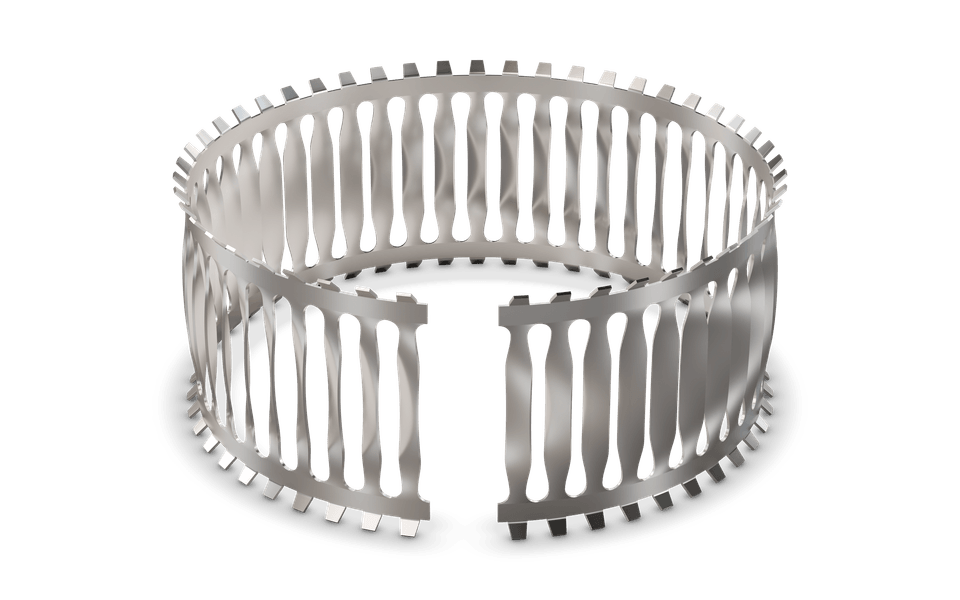
Contact lamellae
Louvered contact bands with many parallel contact points
Products
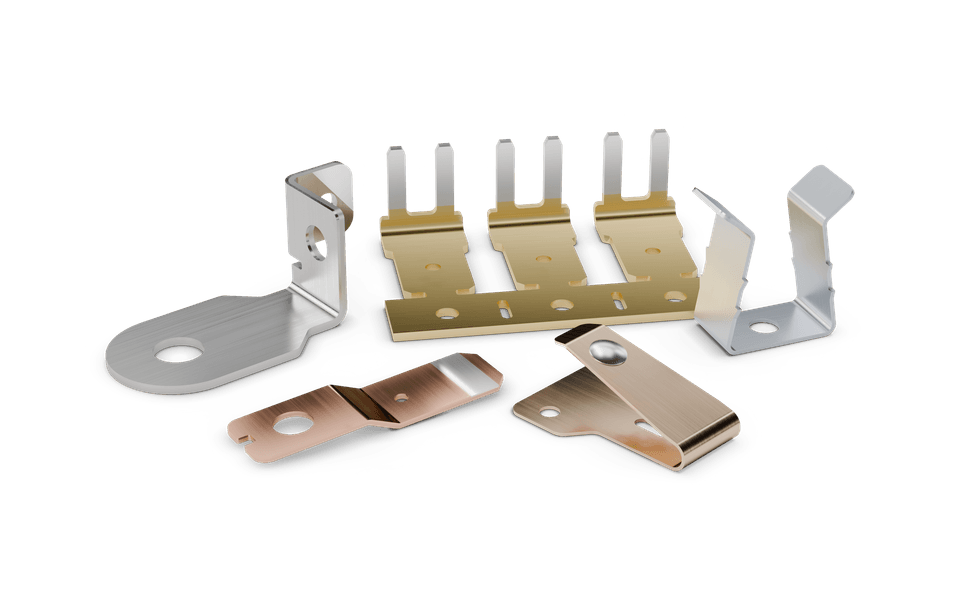
ACA Atlas Contacte in Wehr (Baden), Germany, makes contact springs, flat-form springs and stampings with a spring function to your drawing. They are stamped and bent from copper-based and steel spring materials, and the force-deflection curve is checked throughout series production.
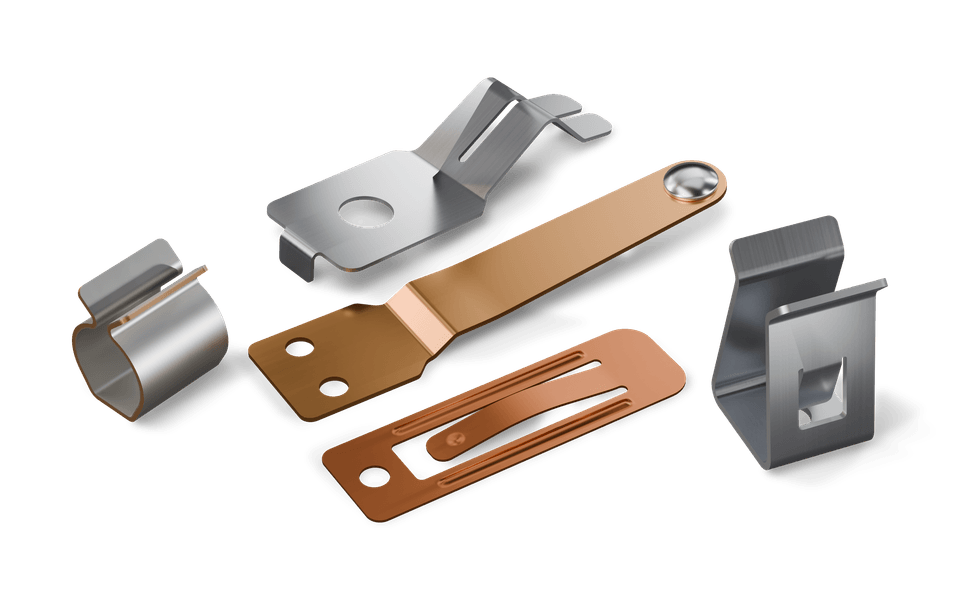
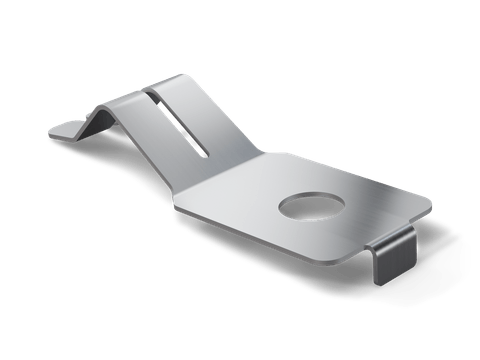
Drag to rotate, scroll or pinch to zoom. Keyboard: arrow keys rotate, plus and minus zoom, 0 resets the view.
01 Overview
A contact spring is a stamped and bent spring element that carries current and, at the same time, applies a defined contact force to a mating part. Contact springs are flat-form springs with an electrical function, also known as contact elements. They sit in connectors, switchgear, terminals and housings. Contact springs are stamped and bent parts with a spring function. ACA Atlas Contacte makes them in Wehr (Baden) to customer drawings, from samples to series: a family business, founded in 1987, with more than a thousand successful projects and certified to ISO 9001 since 2000.
The task is a trade-off. A good electrical conductor is usually a mediocre spring material, and a good spring material a mediocre conductor. On top of that, every spring loses force over time under temperature and constant load, a process known as stress relaxation. Whether the contact force is still sufficient after years in service depends on material, bend geometry and manufacturing accuracy together.
That is why we start from the force-deflection curve, not from the outline. Your requirements for contact force, deflection and installed height determine the material, thickness and bending sequence. During series production we check them continuously. How a contact spring differs from a contact lamella is explained in contact types compared.
02 Technical data
| Property | Value |
|---|---|
| Designs | Flat-form springs, leaf springs, shaped springs, springs with riveted or welded contact |
| Spring materials | among others copper alloys (CuSn, CuBe, CuNiSi), stainless spring steel 1.4310 and carbon spring steel C75S, and many more to your specification |
| Finishes | Silver, gold, nickel or tin plated, also selectively at the contact point, as well as zinc plated (through plating partners) |
| Force-deflection curve | to your specification, checked during series production |
| Contact force and deflection | on request |
| Material thickness | on request |
| Manufacturing methods | Progressive die, multi-slide stamping and bending machine |
| Delivery forms | Loose, on reel as carrier strip, taped, in magazines |
| Batch sizes | Samples, prototypes, small to large series |
Contact force, deflection and tolerances are defined for each spring on the basis of your drawing. Values marked “on request” depend on the part and are confirmed in the quotation.
Last updated:
03 Force-deflection
The force-deflection curve describes the force a contact spring applies at a given deflection. For a contact spring it matters more than any single dimension, because it governs contact resistance, insertion force and wear.
To design the spring we need from you the installed height and working deflection, the minimum and maximum contact force within the working range, the operating temperature, current and mating cycles, and the material and finish of the mating part. From these we select material and thickness and define the bend geometry. We measure the curve on the samples and check it continuously during series production.
04 Spring types
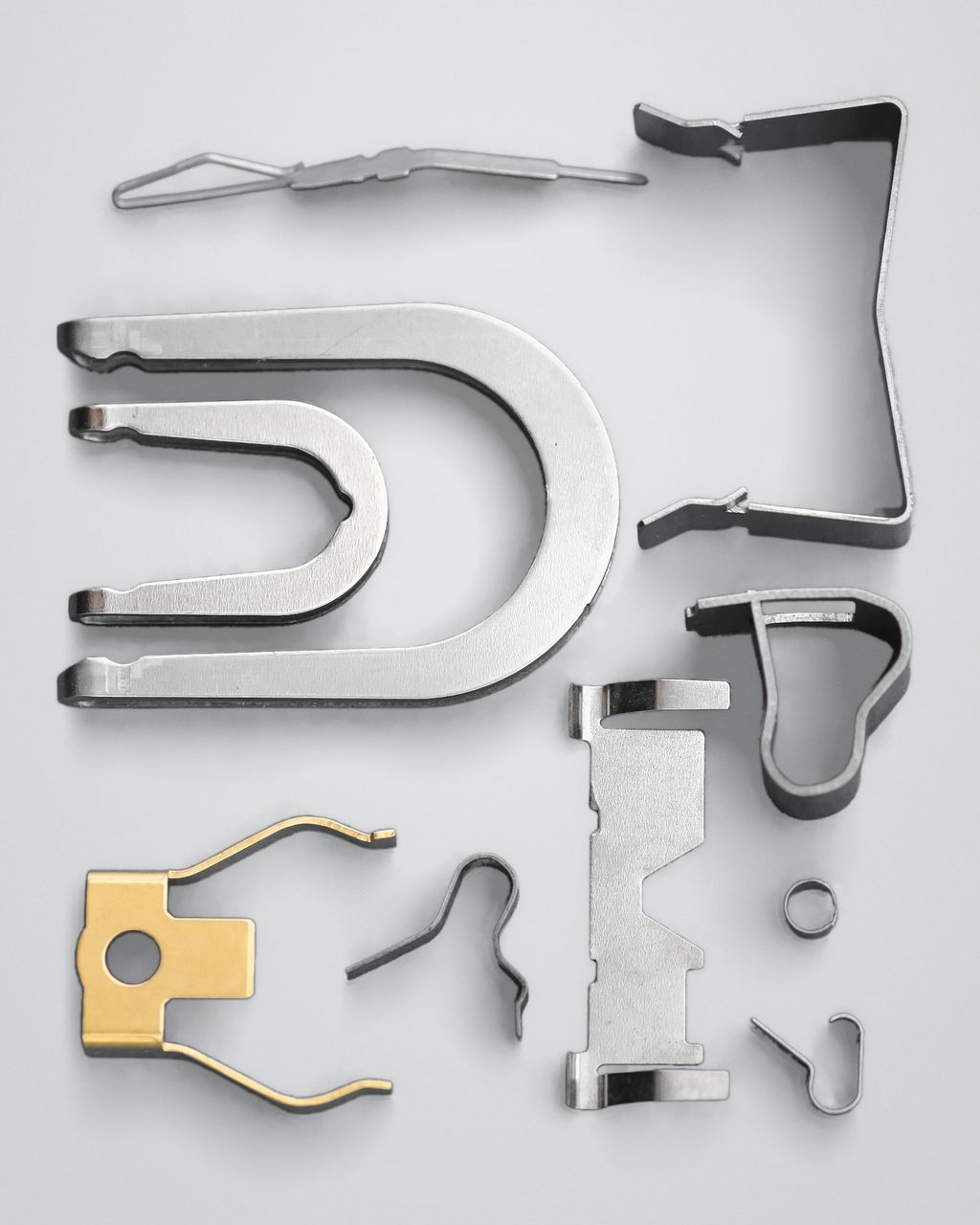
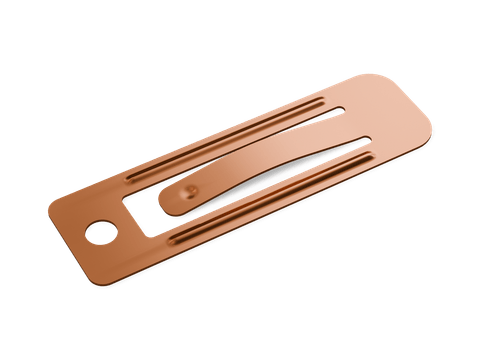
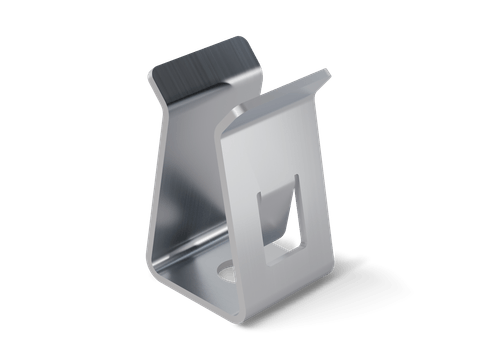
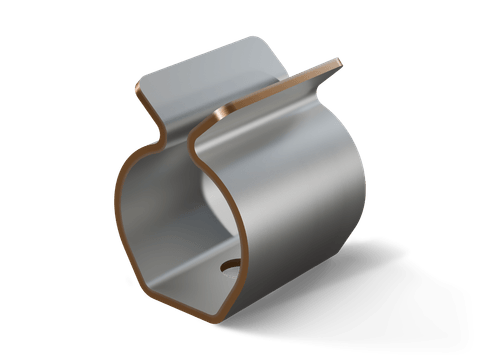
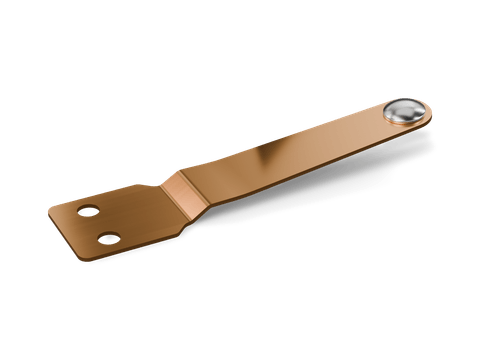
We make these contact springs and spring parts to customer drawings:
05 Benefits
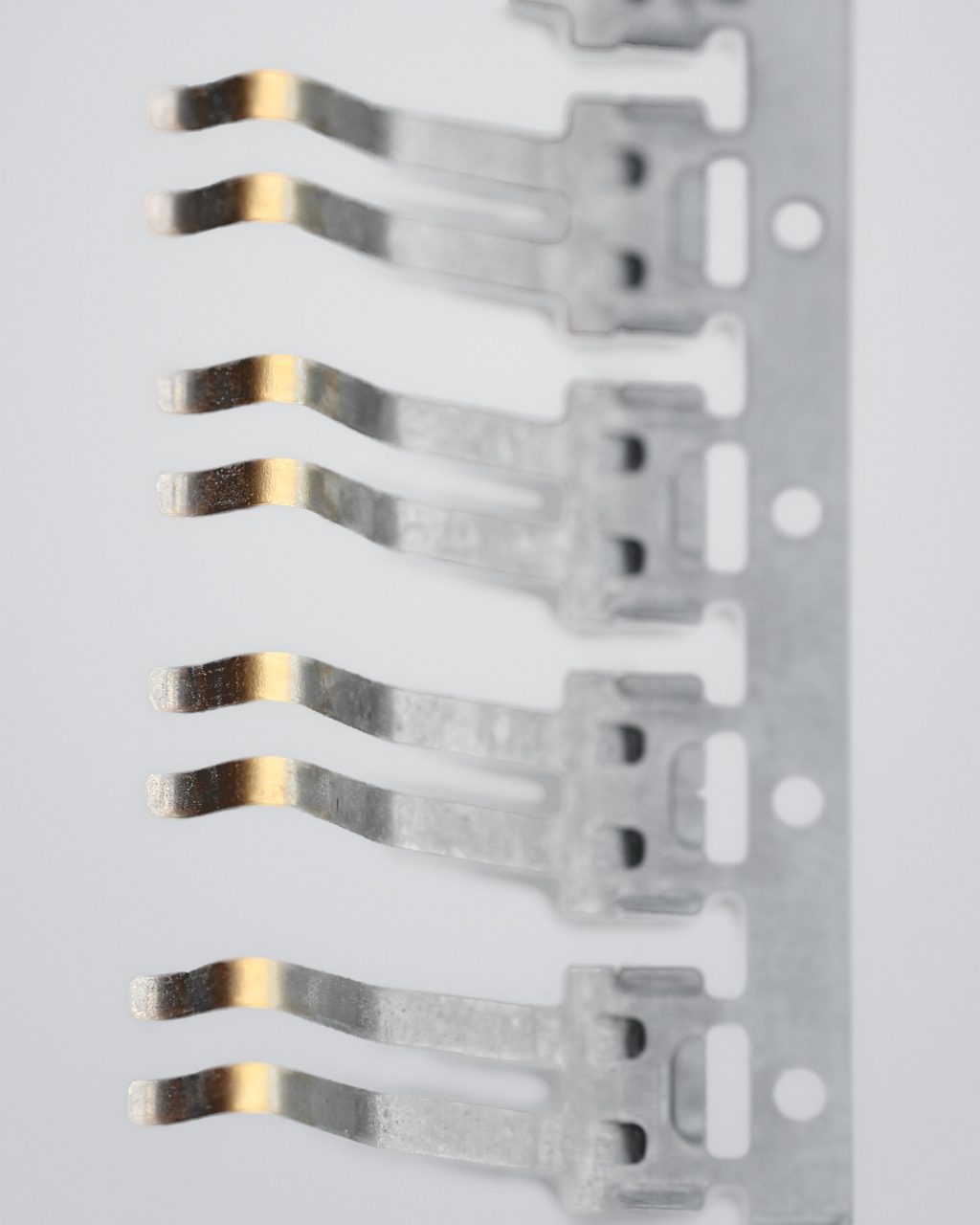
We meet your force-deflection requirements and check them throughout series production, not only at initial sampling.
We process beryllium copper, phosphor bronze, CuNiSi, stainless spring steel 1.4310 and carbon spring steel C75S, among others. The choice follows from current, force and temperature.
Precious metal where contact is made: selectively plated, or with a welded or riveted contact.
We fine-tune bend angles and deflection in our own tool shop until the curve is right.
Contact springs loose, on reel, taped or in magazines, matched to the feeding system on your line.
06 Materials
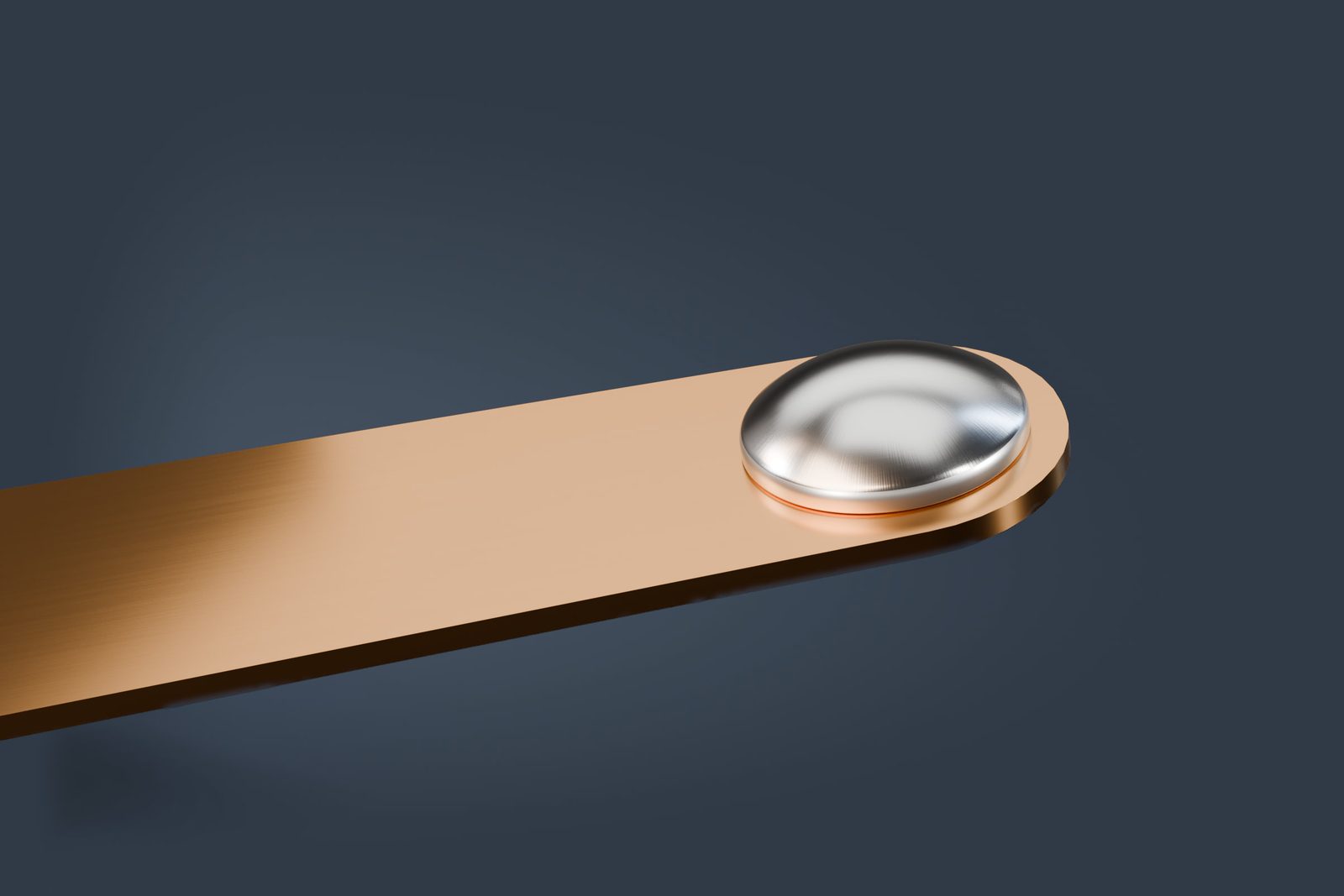
CuBe
After age hardening, very high strength and good resistance to stress relaxation with moderate conductivity. Our material for contact lamellae and highly loaded contact springs.
CuSn
A common spring material for contact springs under moderate load, easy to bend and easy to plate.
copper nickel silicon
Age-hardenable copper alloy with good conductivity and high strength for current-carrying springs.
1.4310
High mechanical strength and very good resistance to stress relaxation. Where high currents flow, it provides the spring force while copper contacts carry the current.
C75S
For retaining, clamping and snap springs, where force counts and no current flows through the spring.
Ag, Au, Ni, Sn
Silver for high currents, gold for low-level signals and corrosion protection, nickel as standard, tin for solderability and cost-effective contacts. More in materials and finishes.
07 Process
We clarify installation, force-deflection requirement and operating conditions and propose material and thickness.
Bending sequence and strip layout are defined so that deflection and contact force sit safely within tolerance.
The tool is built in our own tool shop. Bending stations can be adjusted precisely.
We produce samples and measure the force-deflection curve before series release.
We check the force-deflection requirements throughout series production and deliver in the agreed form.
08 Applications
Spring baskets and contact springs for round and flat connectors, up to high-current applications.
Contact springs with riveted or welded contacts.
Cage springs, leaf springs and clamping springs for spring-clamp terminals.
Rail joiners that connect track sections mechanically and carry the traction current.
FAQ
ACA Atlas Contacte makes contact springs to drawing from copper alloys such as phosphor bronze (CuSn), beryllium copper (CuBe) and CuNiSi, from stainless spring steel (1.4310) and from carbon spring steel (C75S). We choose the material by force-deflection requirement, current and temperature. The materials and finishes guide compares them.
Yes. ACA Atlas Contacte designs contact springs to the customer's force-deflection requirement, measures the curve on the samples and checks the requirement throughout series production.
Yes. ACA Atlas Contacte makes contact springs with riveted contacts or with contact material resistance-welded on directly during stamping.
ACA Atlas Contacte supplies contact springs loose, on reel as carrier strip, taped or in magazines. Springs in magazines or on tape can be fed automatically on the assembly line without tangling.
A contact spring is usually a single spring element with one or a few contact points. A contact lamella is a band of many parallel spring webs that spread the current over many contact points. ACA Atlas Contacte makes both.
Louvered contact bands with many parallel contact points
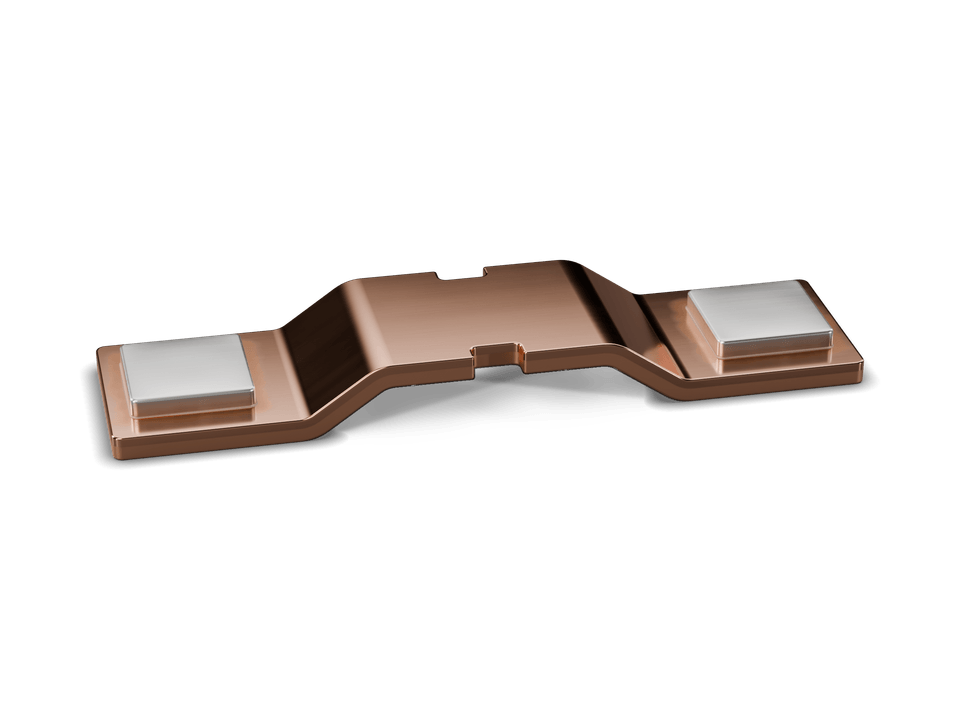
Contacts welded inline in the stamping process or riveted on our own riveting station
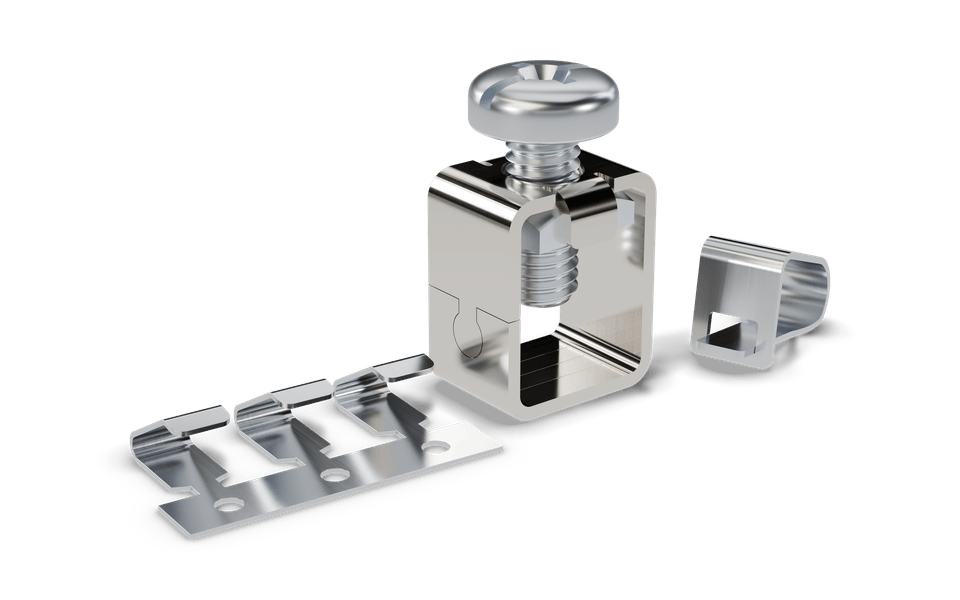
Clamp bodies, clamp frames, cage and leaf springs
Copper alloys, spring steels and contact platings compared
Request a quote
Send us your drawing, force-deflection requirement, material or operating conditions and the planned quantity. We review the design and come back with a quotation.