Consulting and engineering
Design for manufacture from the first sketch
Services
From the first sample to series production with one supplier: ACA Atlas Contacte in Wehr (Baden), Germany, offers prototype and low-volume metal stamping for stamped and bent parts and electrical contacts, and takes your part into series production with tools from its own tool shop.
01 Overview
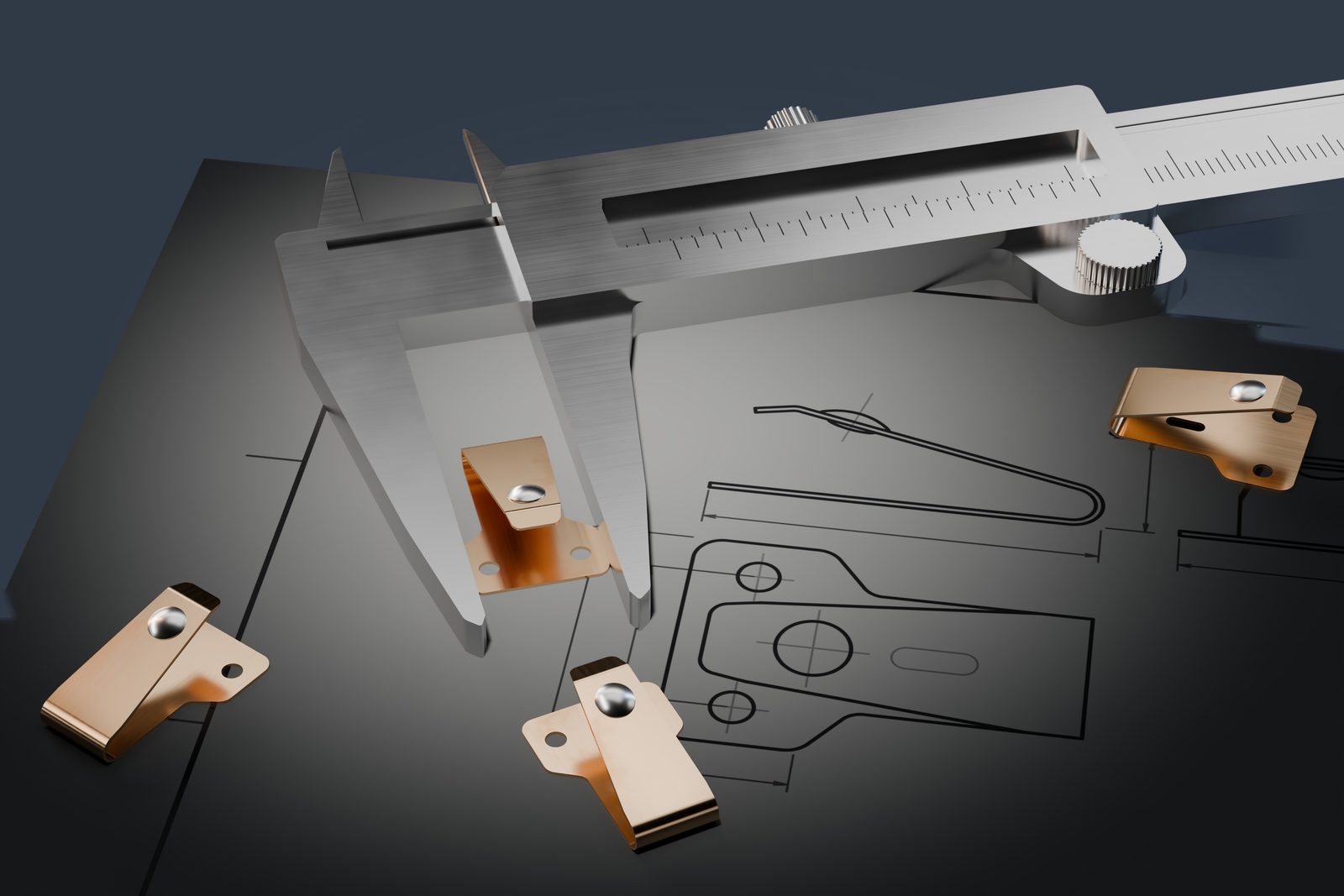
At ACA, prototype production for stamped and bent parts means that the samples are made by the manufacturer who will later produce the series. What is learnt from the sample goes straight into tool and process for the series, instead of ending up in a handover report for another supplier.
We distinguish three stages, which you can use individually or one after another: prototypes to test function, samples from the series process for approval, and low-volume runs for pre-production, special applications or spare parts. We explicitly offer prototypes and low-volume production, not just as a preliminary stage of high-volume production.
How fast this goes depends on the part. We confirm the date with our quotation for your drawing.
02 Stages
| Criterion | Prototype | Sample from the series process | Low-volume run |
|---|---|---|---|
| Purpose | test function, fit and assembly | prove production readiness and approve | cover demand when a high-volume series does not pay off or has not started yet |
| Tool | depends on the part, simplified where possible | series tool | series tool or a tool matched to the quantity |
| Result | findings for the design | measured parts for your approval | deliverable parts to drawing |
| Changes | easy, the design is not yet frozen | targeted, the tool is in place | through a tool modification, as in series production |
We agree the right stage with you based on drawing, quantity and schedule.
03 Process
You send a drawing or 3D model and tell us what the sample has to prove: fit, electrical function, assembly or production readiness.
We propose how the samples will be made and what the route to series looks like, so that as much of the sampling effort as possible can be reused in the series.
The samples are produced and measured. On request we also check product-specific characteristics to your specification.
You test the samples in your own set-up and approve them or tell us the changes, which we implement in our own tool shop. We state the cost of samples in the quotation, and otherwise our general terms of sale (AVB, PDF in German) apply.
Once you approve, the part goes into low-volume or series production, delivered loose, on reel, taped or in magazines.
04 Low-volume runs
A low-volume run makes sense when demand is too low for a tool designed for high volumes or when the market is only just starting up. Typical cases are special-purpose machinery, test equipment, spare parts and variants of an existing part.
With variants it is worth looking at the tool design. Where it is modular, variants can be made with modified inserts instead of a new tool. And if the short run does turn into a high-volume series, the part stays with the same manufacturer.
05 Recommendations
Samples made from a different material or temper spring back differently and behave differently electrically. We therefore sample in the series material wherever possible.
A coating changes dimensions, friction and contact behaviour. For electrical tests, samples should carry the series finish. Read more about surface finishes.
We agree with you which dimensions and forces are measured on the sample before production starts. For contact springs this includes the force-displacement requirements.
The earlier it is clear how the series will be produced, the more of the sampling effort is preserved. A design review before the first sample helps.
FAQ
Yes. ACA Atlas Contacte makes prototypes and samples of stamped and bent parts and electrical contacts. How many parts make sense and how they are produced depends on the part. Tell us the quantity you need and we will propose a suitable approach.
That depends on geometry, material, finish and tooling route. ACA Atlas Contacte confirms the sample date with the quotation for your drawing. If the date is critical, state it in your enquiry.
There is no fixed threshold. It depends on part size, complexity, material and the life of the product. ACA Atlas Contacte calculates the options from your estimated annual volume and recommends the economical route.
The aim is for the sample to anticipate the series: same material, same finish and, where possible, the same tooling concept. If a prototype is made differently from the series, ACA Atlas Contacte tells you in advance which characteristics may differ.
Yes. ACA Atlas Contacte implements changes after the sample inspection in its own tool shop and submits new samples. The further the tool has progressed, the more targeted changes should be to stay economical.
Design for manufacture from the first sketch
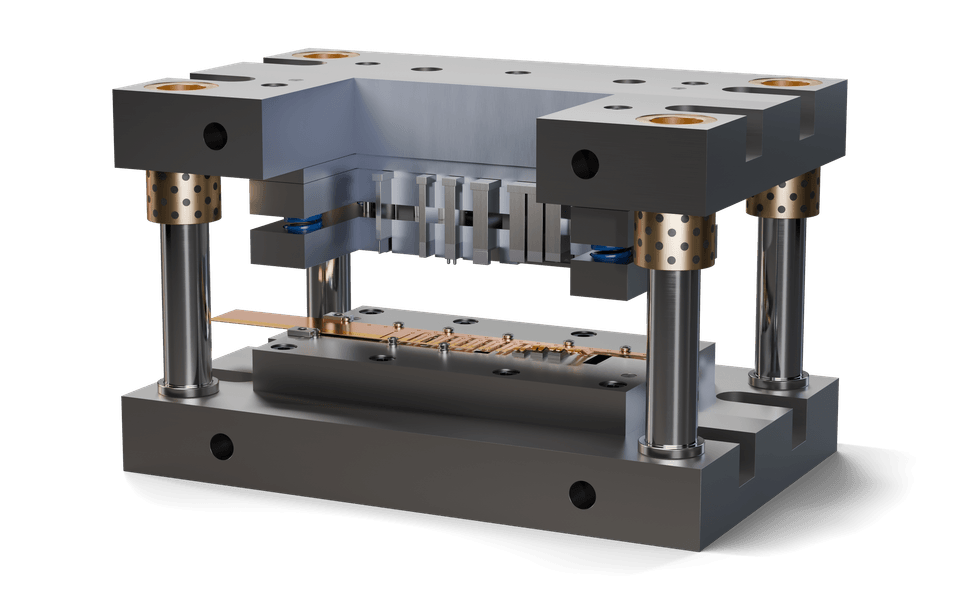
Stamping and bending tools from our own toolroom
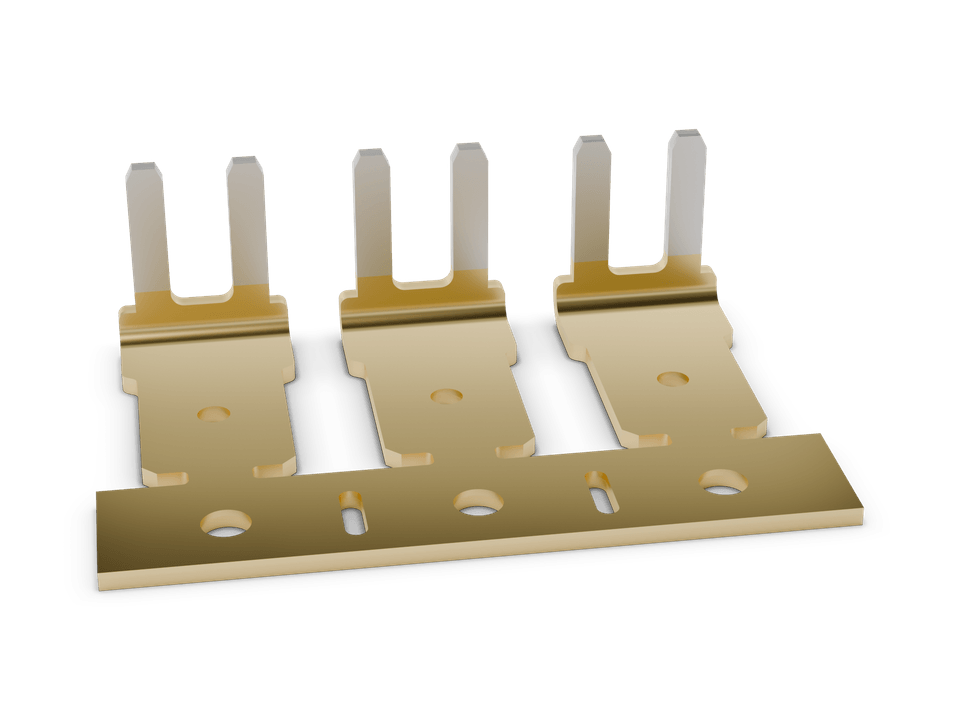
Made to drawing in steel, stainless steel and copper alloys
Request a quote
Send us your drawing or 3D model, the number of samples you need and your time frame. We will reply with a proposal for samples and the route to series production.