Tool making
Stamping and bending tools from our own toolroom
Services
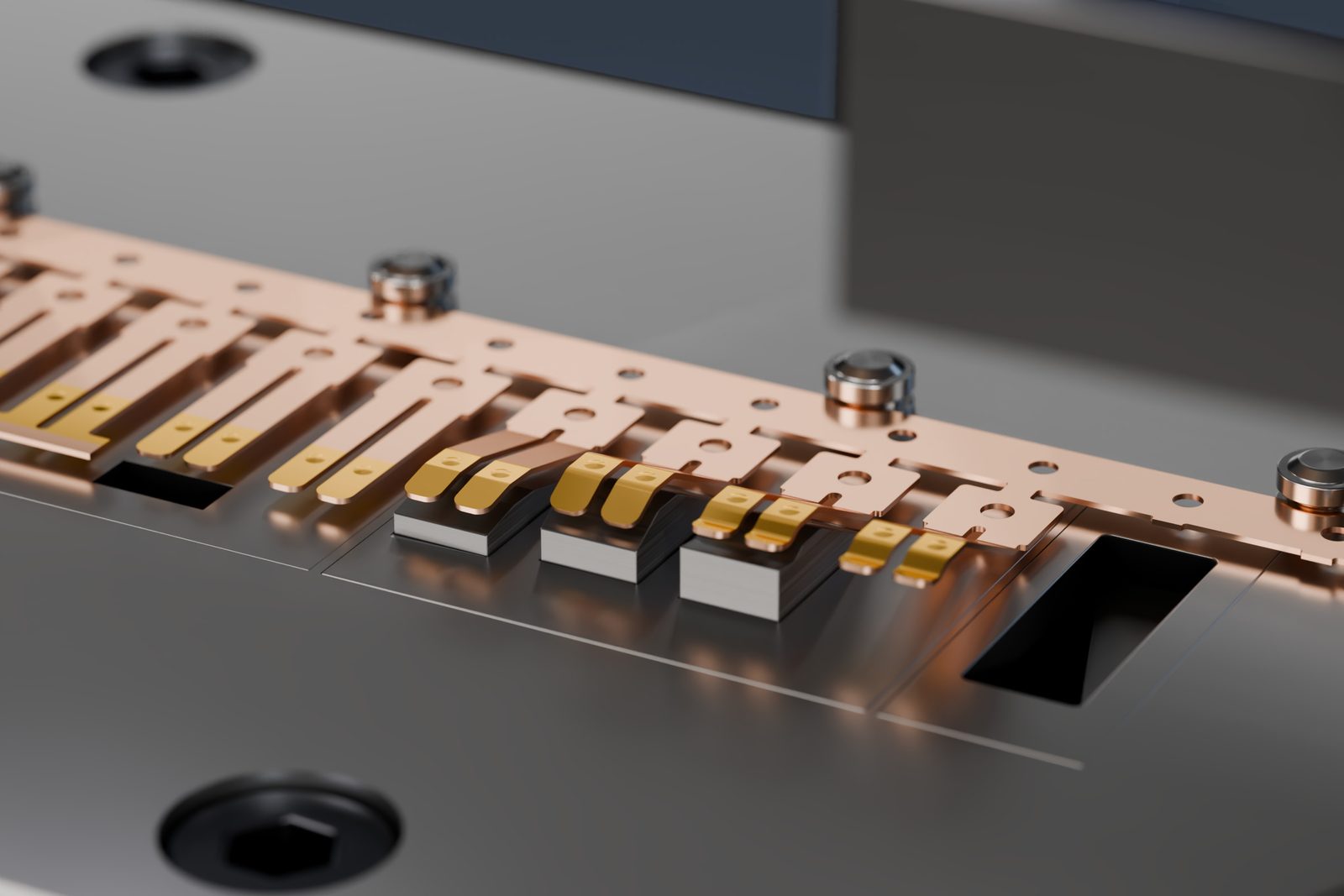
ACA Atlas Contacte in Wehr (Baden), Germany, takes over existing stamping tools and stamping and bending tools from other suppliers. We inspect the tool, run it in on our machines, refurbish it and continue series production.
01 Overview
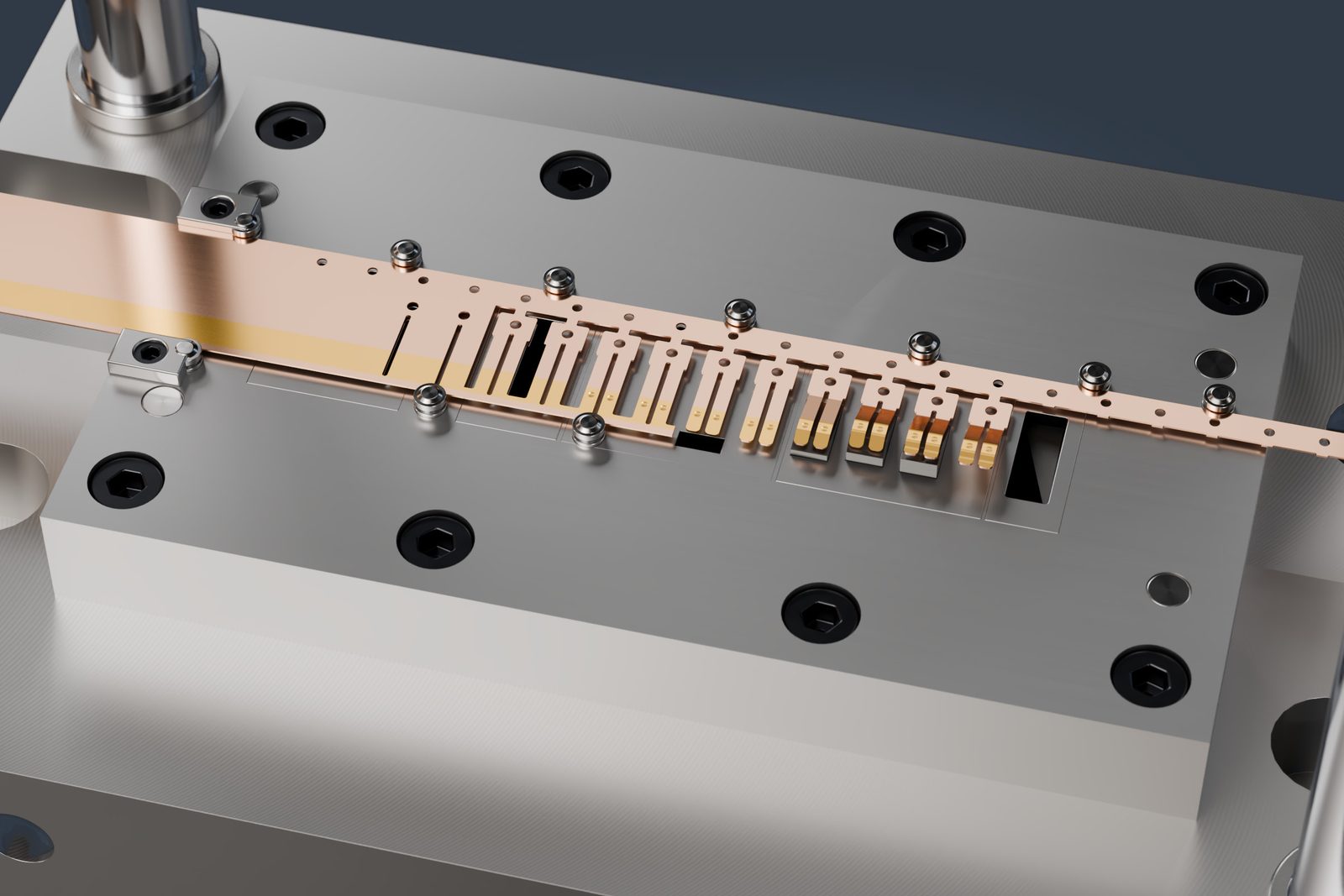
A tool transfer moves an existing stamping tool to a new production partner without building the tool again. Your tooling investment is preserved, and the part geometry stays the same because it comes from the same tool.
Typical triggers for a tooling transfer are a supplier that is closing down production or giving up the part, delivery dates and quality that no longer meet your needs, or the wish for a second source for a critical part. Anyone changing supplier or consolidating their supplier base faces the same question: where should the tools go?
Not every stamping shop takes over tools built elsewhere. ACA explicitly does. Because tool making and production are under one roof, we can assess a tool from another source, refurbish it and then run production with it ourselves.
02 Process
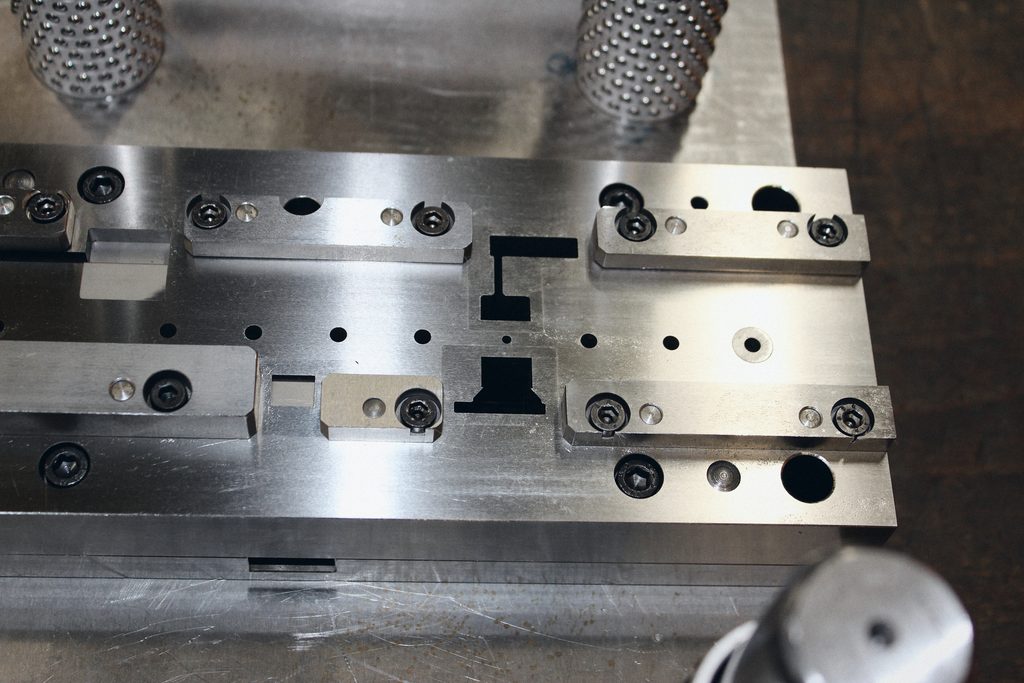
Before the tool is shipped, we review the part drawing and tool data: does the tool fit our machines, which material does it run, what volumes are planned? On arrival we examine cutting edges, guides, punches and bending stages and measure reference parts from the last production run if you send some.
The tool is set up and run in on our machine. We measure the try-out parts against your drawing. This shows what the tool can do and where it needs rework.
We regrind worn cutting edges, replace wear parts, correct dimensional deviations in our own tool shop and run the tool in again. Major interventions are agreed with you beforehand.
On request we submit samples for your approval before series production starts. From then on we maintain the tool as if it were our own.
03 Documents
To inspect a tool before a transfer, ACA Atlas Contacte mainly needs the part drawing, the tool data and your demand. If something is missing, that does not rule out a transfer. Much can be determined from the tool itself.
04 Advantages
Your tooling investment is preserved and the part geometry unchanged. Instead of a new build, the work is inspection and, where needed, refurbishment.
Rework, refurbishment and later modifications are handled by our own tool shop, with no further subcontractor.
Production and inspection within a quality management system certified to ISO 9001:2015, with tests to your specification.
On request we also handle contact welding and riveting, threading and assembly and coordination of surface finishes.
05 Responsibilities
A transferred tool has a history we do not know. That is why we agree with you, before the transfer, what will happen to the tool, and put it in writing. Everyone then knows who decides and who pays in case of wear, breakage or a drawing change.
If possible, plan the transfer so that your current supplier can build up a safety stock first. That stock then bridges inspection, try-out and any refurbishment.
FAQ
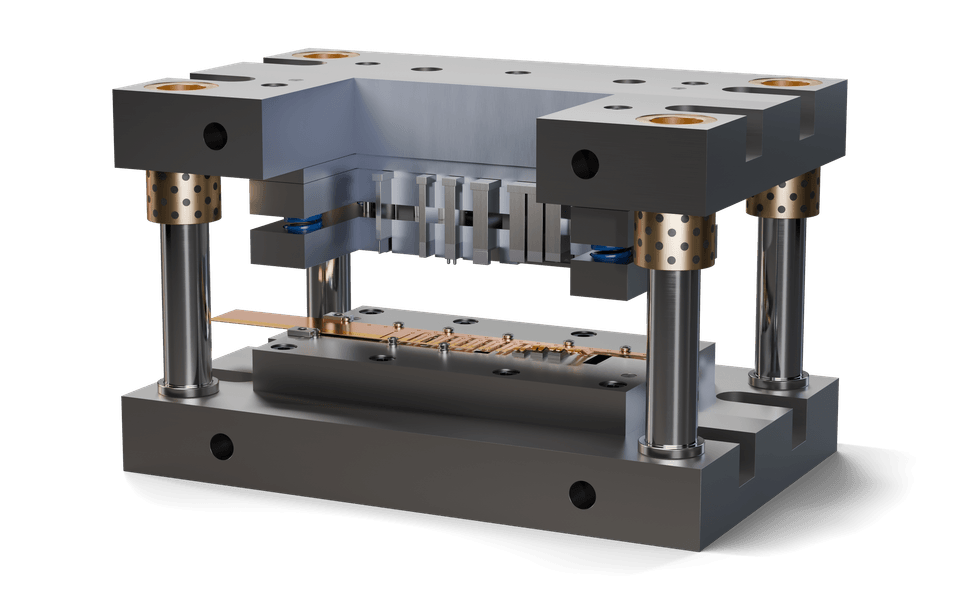
Yes. ACA Atlas Contacte takes over existing stamping tools and stamping and bending tools, including tools built by another toolmaker. Whether a tool runs on our machines is checked in advance from tool and part data.
Wear becomes visible during incoming inspection and try-out. ACA Atlas Contacte regrinds cutting edges, replaces wear parts and corrects dimensional deviations in its own tool shop. Scope and cost are agreed beforehand. If a tool can no longer be saved economically, we say so and offer a new one.
The geometry comes from the same tool and therefore stays the same. Because machine, set-up and possibly refurbishment are new, ACA Atlas Contacte measures the try-out parts against your drawing. On request we submit samples for your approval before series production starts.
It depends on the condition of the tool and the scope of refurbishment. ACA Atlas Contacte provides a schedule once the documents have been reviewed. A safety stock at your current supplier bridges the transition.
Then ACA Atlas Contacte builds a new tool to your part drawing in its own tool shop. This creates a second source without moving the existing tool.
Stamping and bending tools from our own toolroom
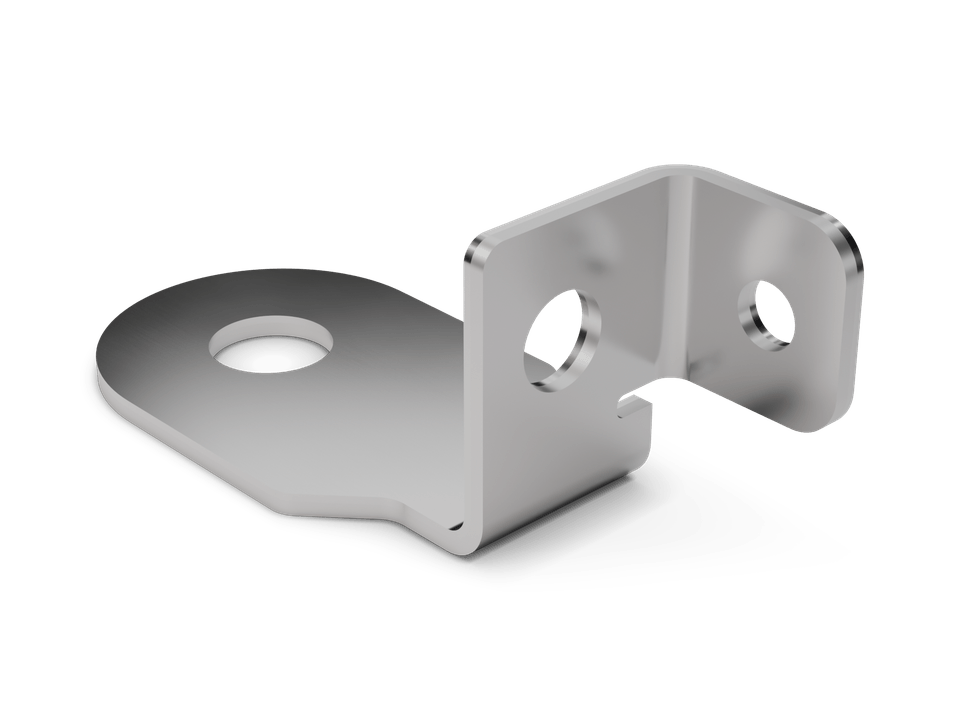
Made to drawing in steel, stainless steel and copper alloys
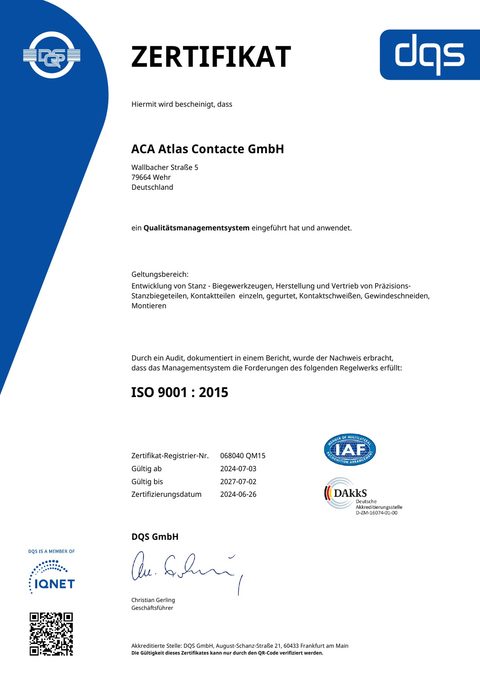
ISO 9001:2015 certified by DQS, inspection to your drawing
Request a quote
Tell us about the tool and the part. The part drawing, tool data and annual demand are enough for the first step. We will tell you whether, and on which terms, we can take it over.