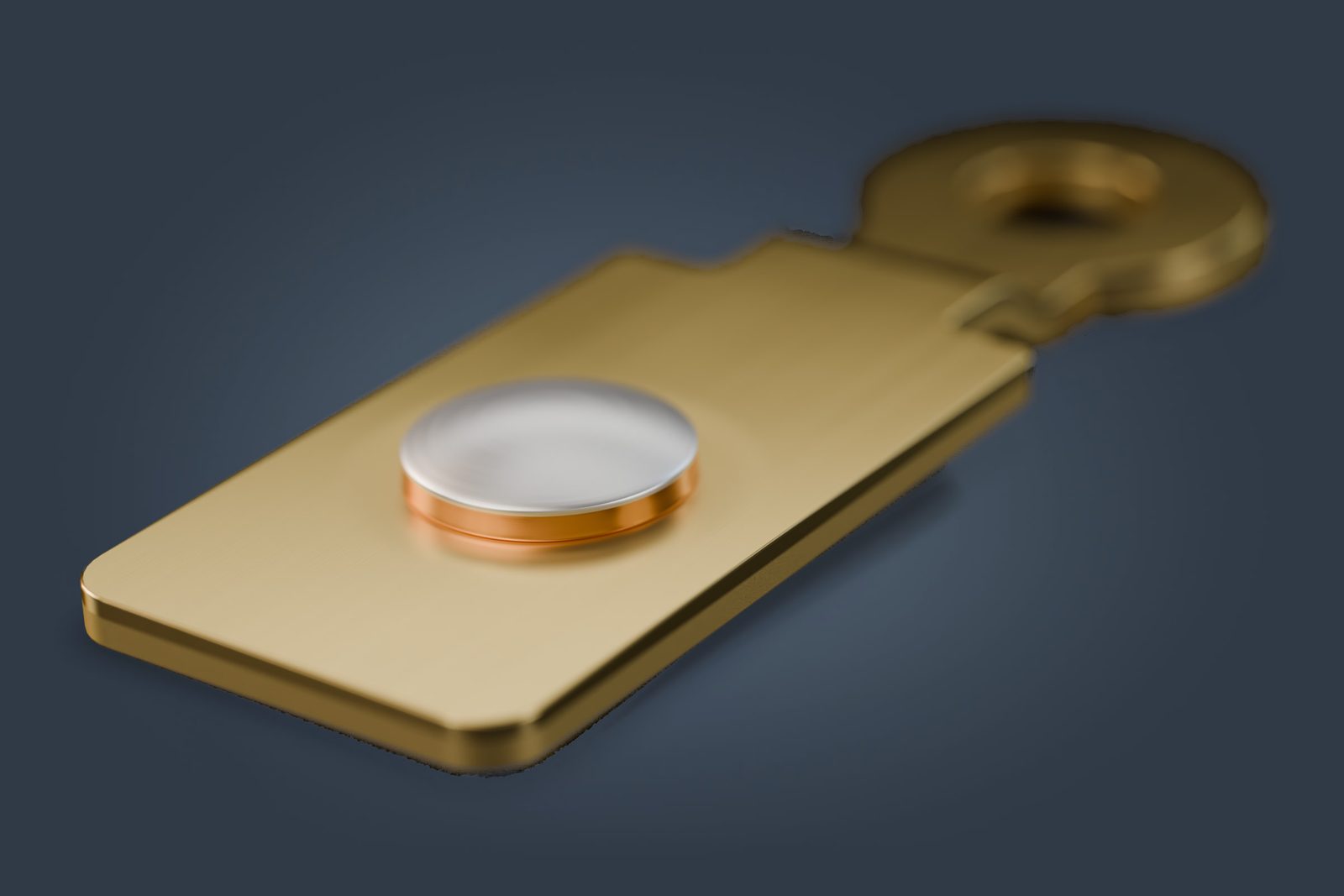
Riveted and welded contact parts
Contacts welded inline in the stamping process or riveted on our own riveting station
Services
ACA Atlas Contacte in Wehr (Baden), Germany, resistance-welds two-component contact parts inline in the stamping process and rivets contacts on a separate riveting station in its own plant. Contact welding is part of the scope of our ISO 9001:2015 quality management system.
01 Principle
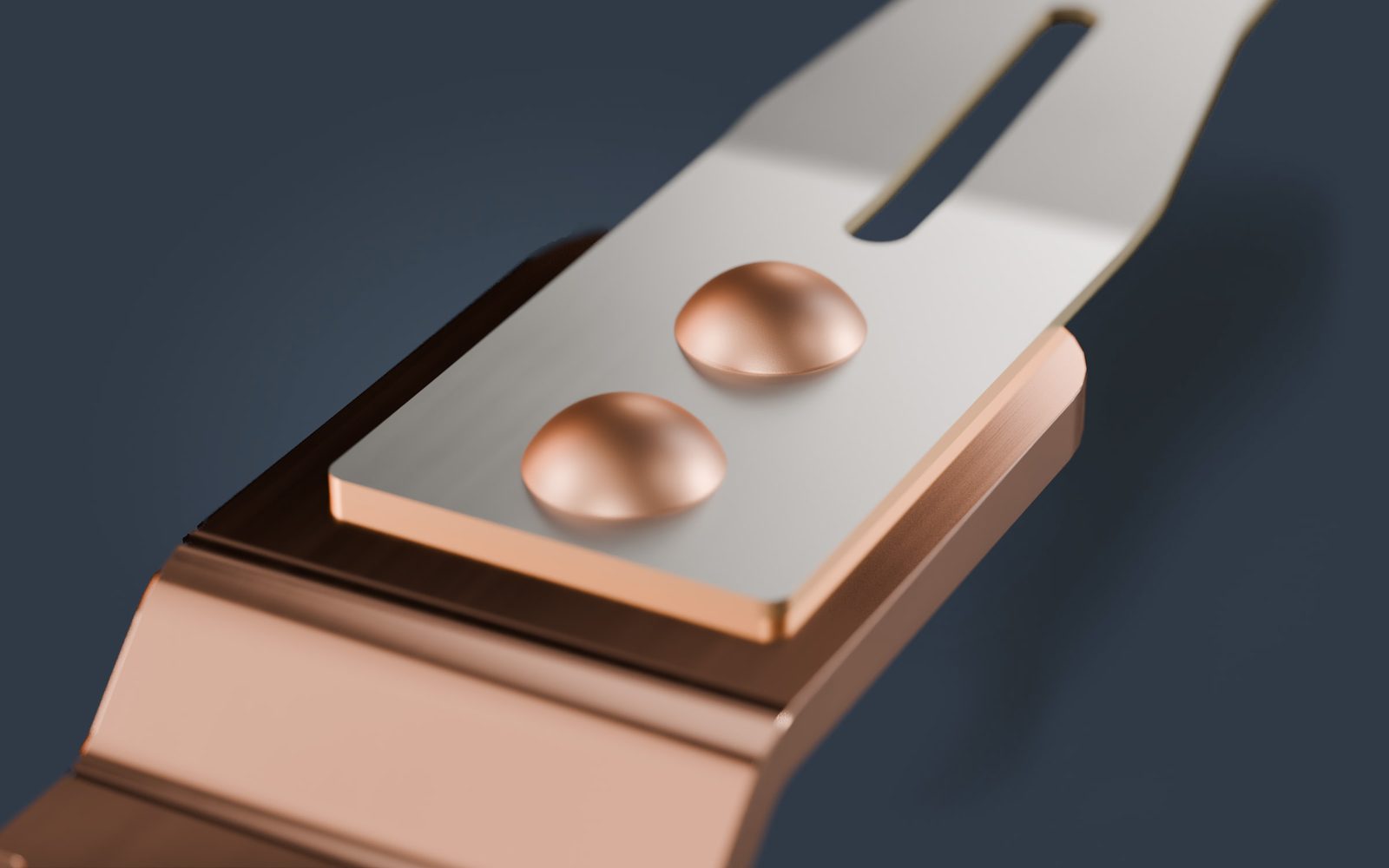
Contact welding is the metallurgical joining of a contact material to a carrier, usually a stamped part made of a spring or conductor material. The expensive contact material then sits only where switching or mating takes place, for example on the contact bridge of a switching contact, while the carrier provides spring force, current conduction and mounting.
ACA joins such two-component parts in two ways: by resistance welding directly in the stamping process and by riveting on a separate riveting station. We do both in-house. Parts do not travel back and forth between a stamping shop and a joining subcontractor, and one supplier is responsible for the finished part.
02 Resistance welding
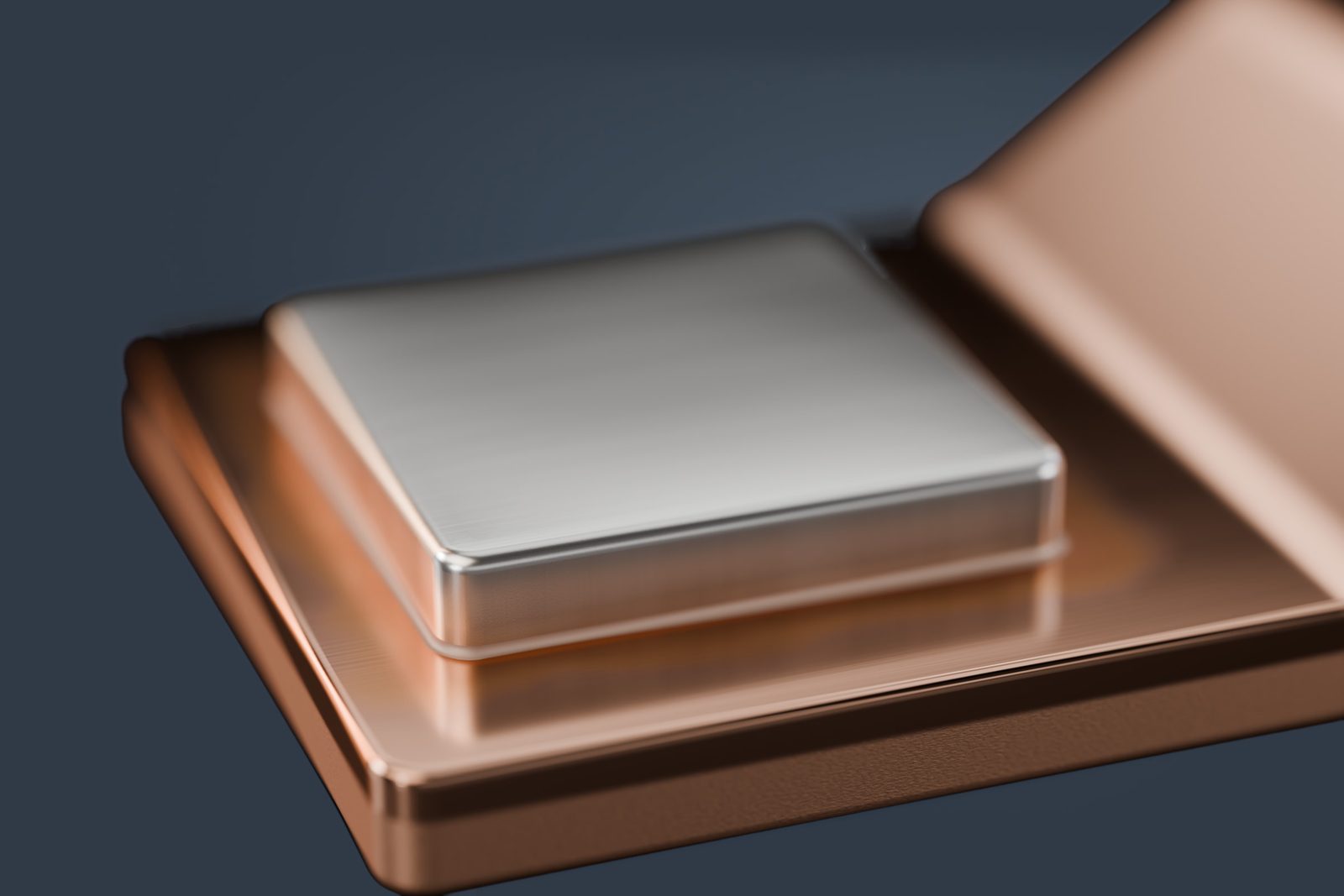
In resistance welding, a high current flows through electrodes and the two parts to be joined. Heat develops at the contact point because of the contact resistance, and under electrode force the materials fuse locally without filler metal.
At ACA this step is part of the stamping process: the second material is welded on directly on the strip. Depending on the part, the strip is then stamped further, bent and cut off or wound back onto a reel. The weld is therefore in the same positional reference as the stamped features of the part, and a separate joining operation with its own handling is not needed.
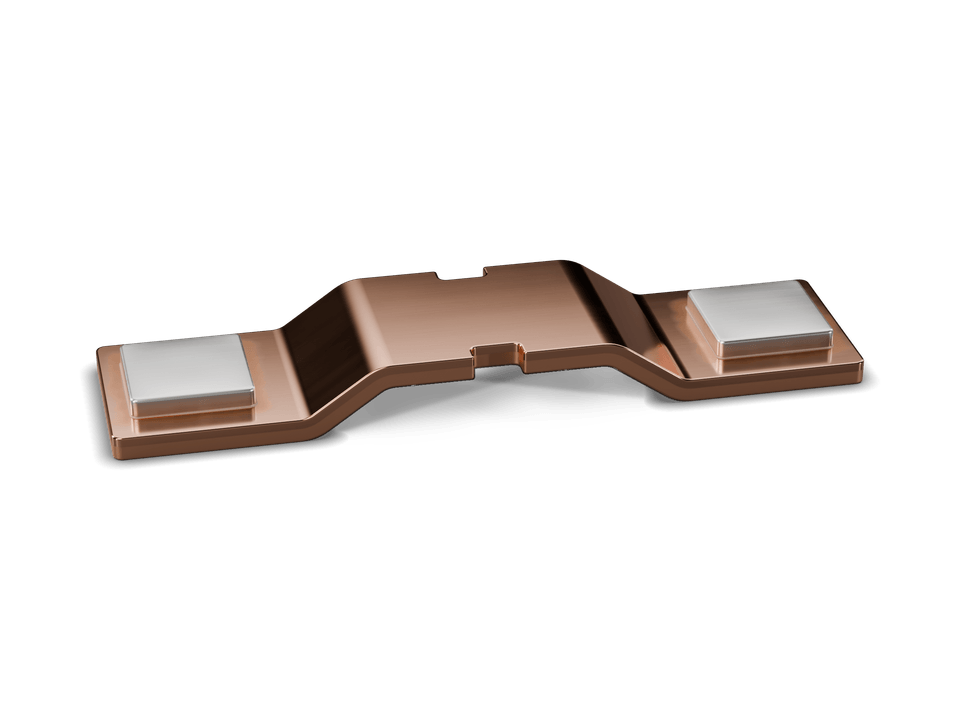
Drag to rotate, scroll or pinch to zoom. Keyboard: arrow keys rotate, plus and minus zoom, 0 resets the view.
03 Riveting
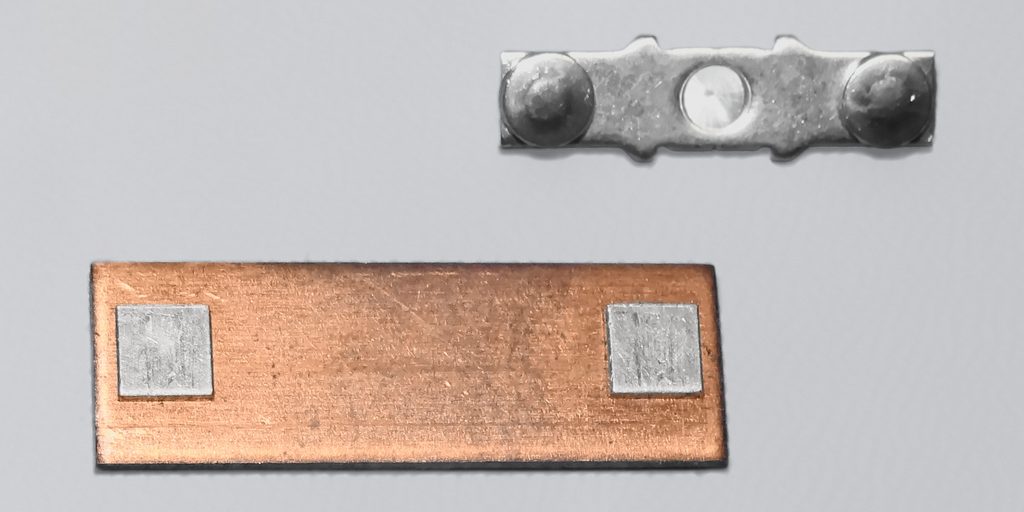
Riveting joins the contact piece and carrier mechanically: the rivet is cold-formed so that it locks the parts together and clamps them. It is the right choice when a material pairing is difficult to weld, when no heat may be introduced into the part, or when several stamped parts are joined into an assembly.
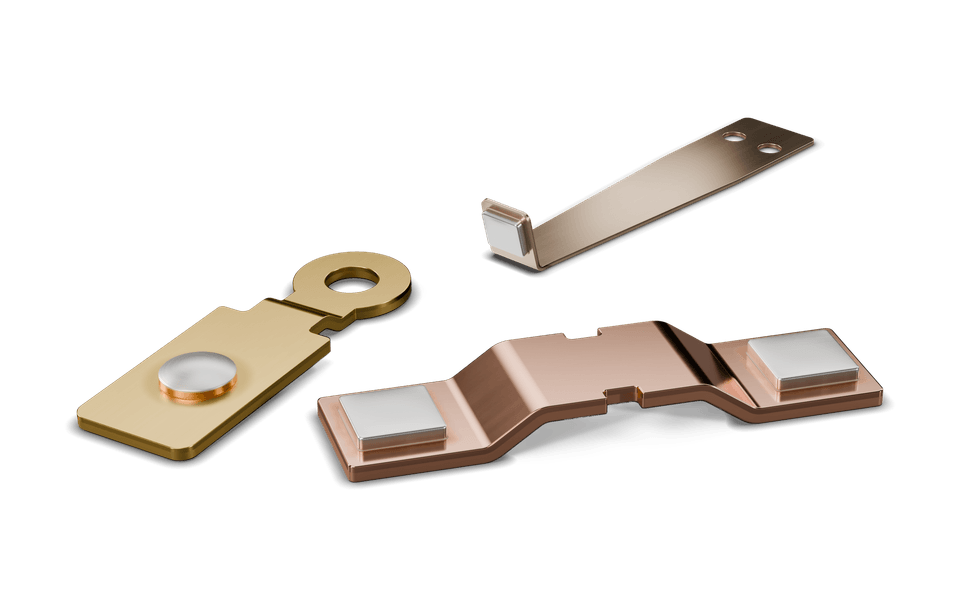
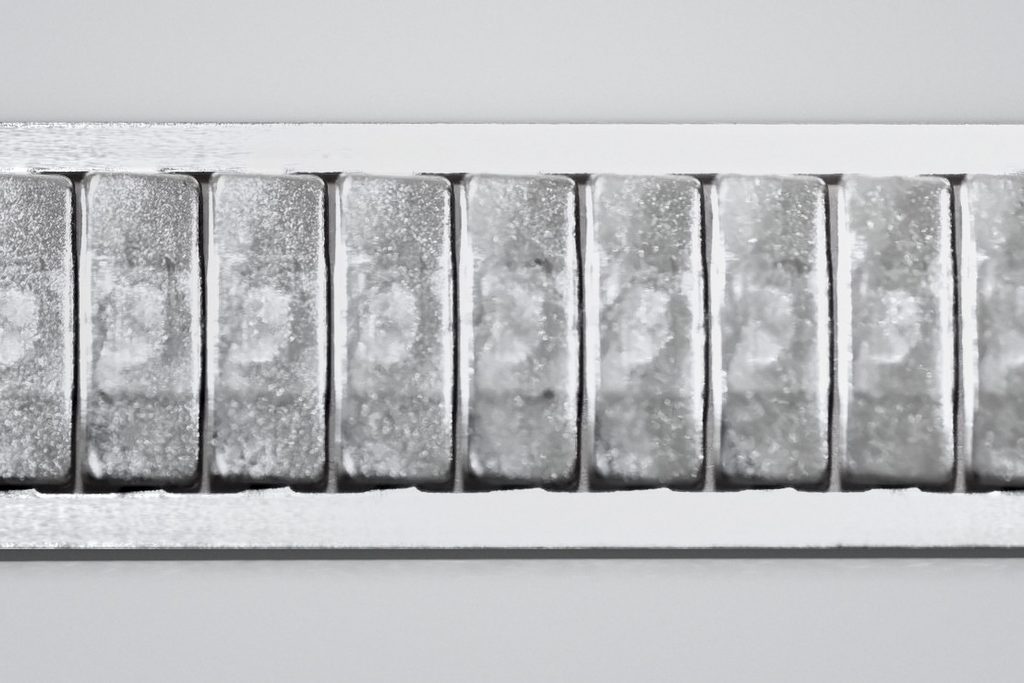
At ACA, riveting runs on a separate riveting station in-house, not in the stamping die. An example from our own range is the high-current contact band. Individual contact pieces of silver-plated copper are riveted onto a carrier band of stainless spring steel. The spring steel provides the contact force, the copper carries the current.
04 Choosing a process
| Criterion | Inline resistance welding | Riveting |
|---|---|---|
| Connection | metallurgical bond | mechanical (positive locking and clamping) |
| Carrier preparation | no hole | hole for the rivet shank |
| Back | flat | closing head |
| Material pairing | must be weldable | largely independent of weldability |
| Heat input | confined to the weld spot | none |
| Place in the process at ACA | inline in the stamping process only, on the moving strip | separate riveting station in our own plant, not in the stamping die |
| Suited to | contact material on a carrier, two-component parts from strip | contact pieces on carriers, assemblies of several parts, pairings that are hard to weld |
Qualitative overview. Many parts can be made either way. We work out which process suits your material pairing from your drawing and requirements and explain why.
05 Portfolio
We make these part types with a welded or riveted contact:
FAQ
Contact welding is the metallurgical joining of a contact material to a carrier, usually a stamped part made of a spring or conductor material. ACA Atlas Contacte uses resistance welding inline in the stamping process, so the contact material sits only at the contact point.
You specify the contact material in your specification. ACA Atlas Contacte checks the drawing and application to see whether the pairing is suitable for welding or better riveted, and recommends the process.
Yes, depending on the part. Because ACA Atlas Contacte welds inline in the stamping process, two-component parts can stay on the carrier strip and be delivered on reel. Loose or taped delivery is also possible.
ACA Atlas Contacte agrees the inspection scope with you. We carry out product-specific tests to customer specification within our ISO 9001:2015 quality management system, whose scope explicitly includes contact welding.
Riveting is the better choice when a material pairing is difficult to weld, when no heat may be introduced into the part, or when several stamped parts are joined mechanically into an assembly. ACA Atlas Contacte offers both processes in-house: welding inline in the stamping process, riveting on a separate riveting station.
Contacts welded inline in the stamping process or riveted on our own riveting station
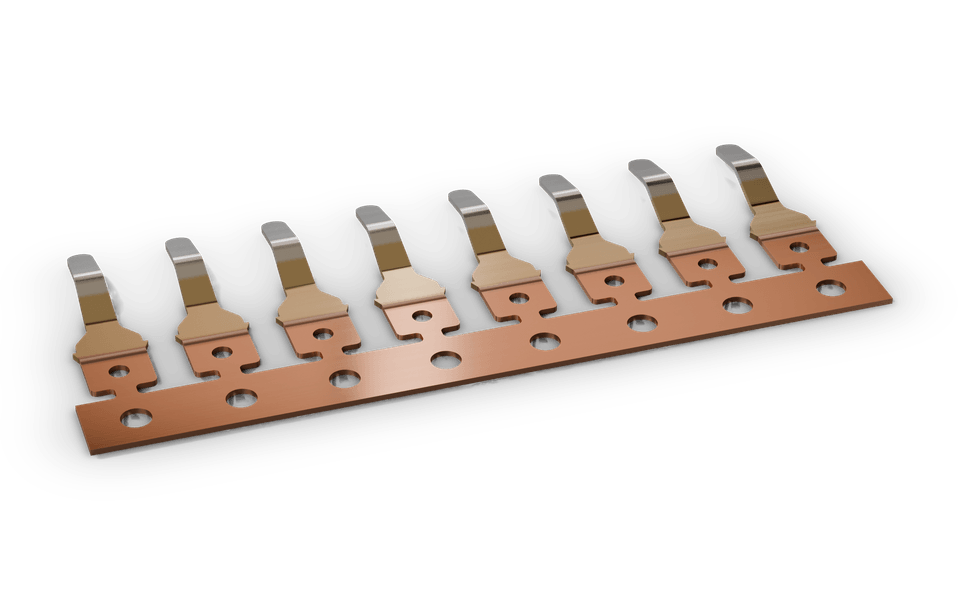
Single and multi-component strips, selectively plated on request
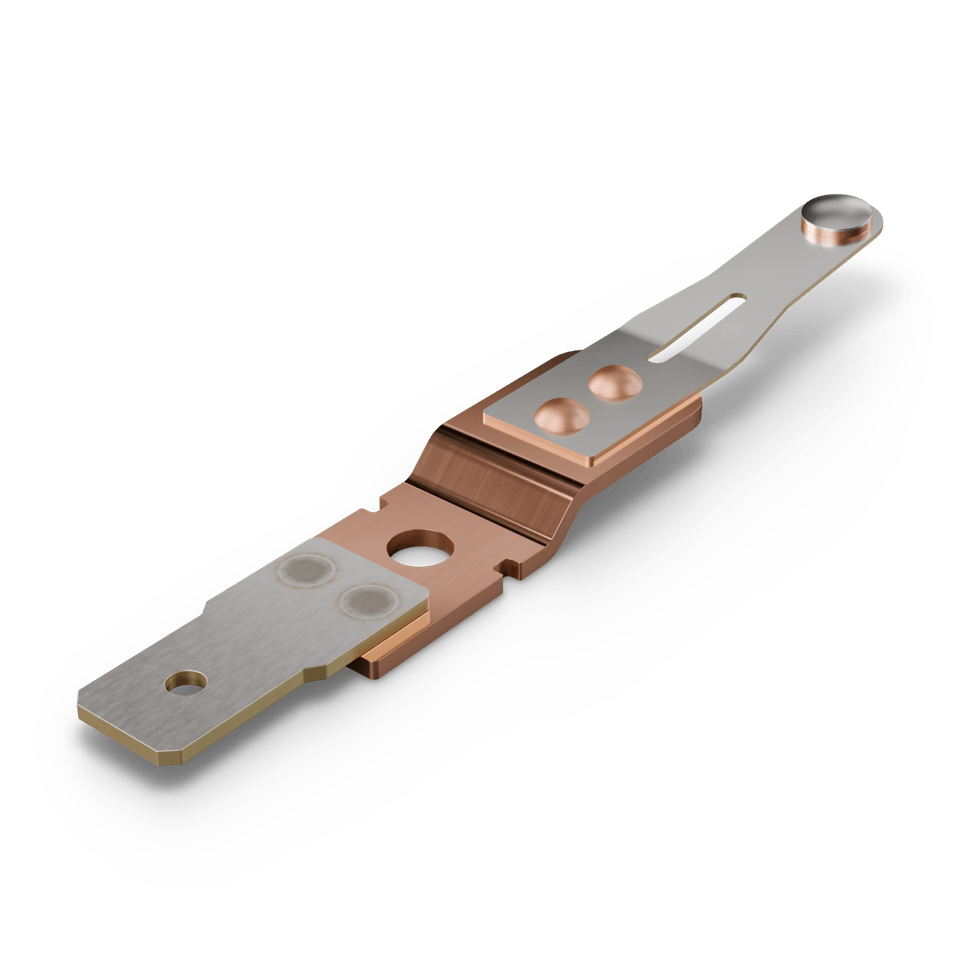
Riveted and welded assemblies
Request a quote
Tell us the carrier and contact materials, the dimensions of the contact point and the quantity. We will recommend welding or riveting and quote for the finished part.