Contact lamellae
Louvered contact bands with many parallel contact points
Contact lamellae
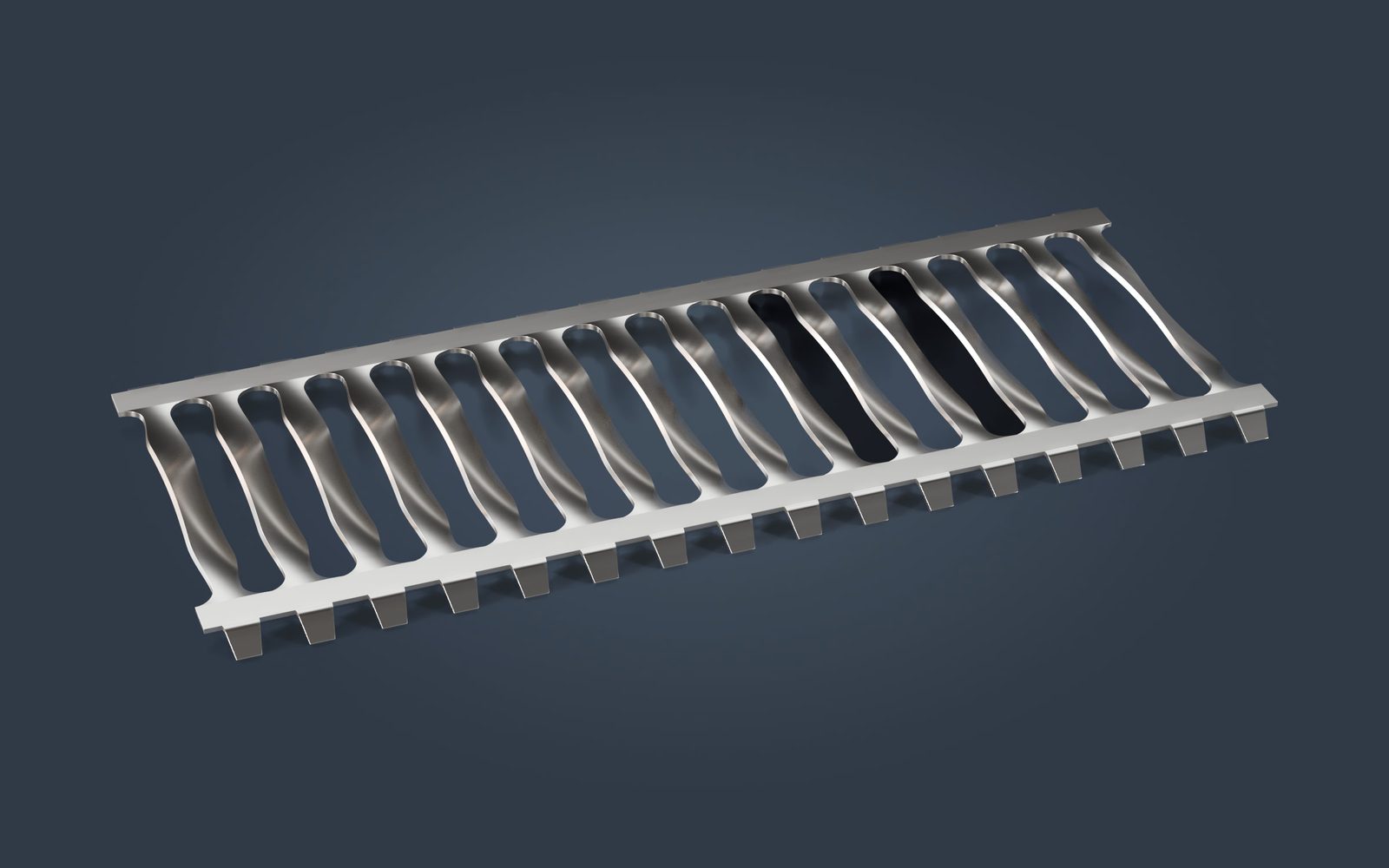
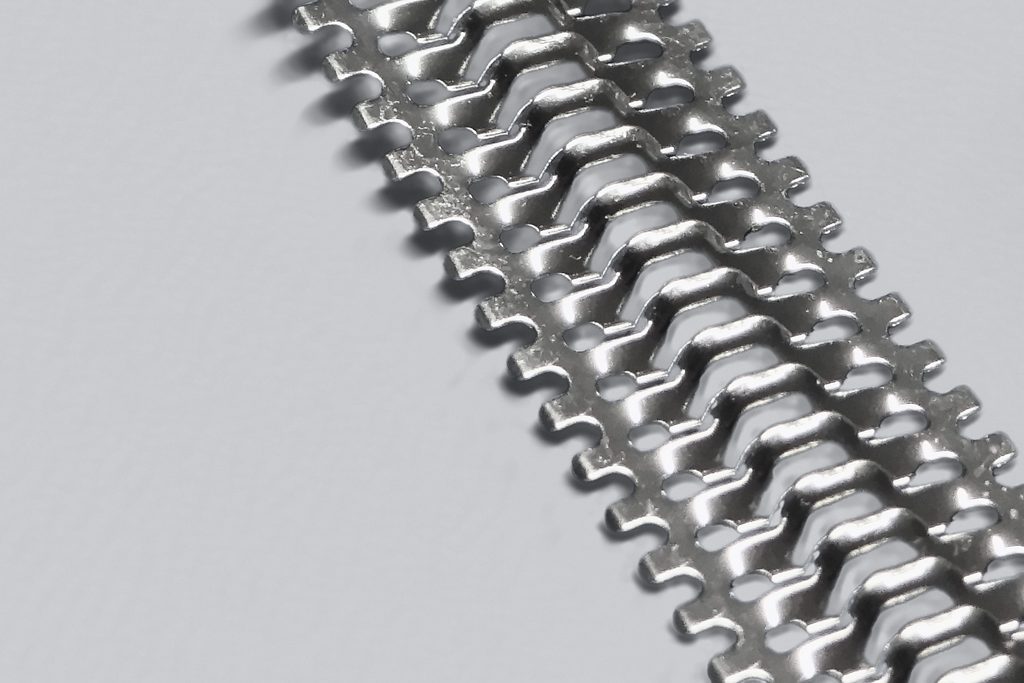
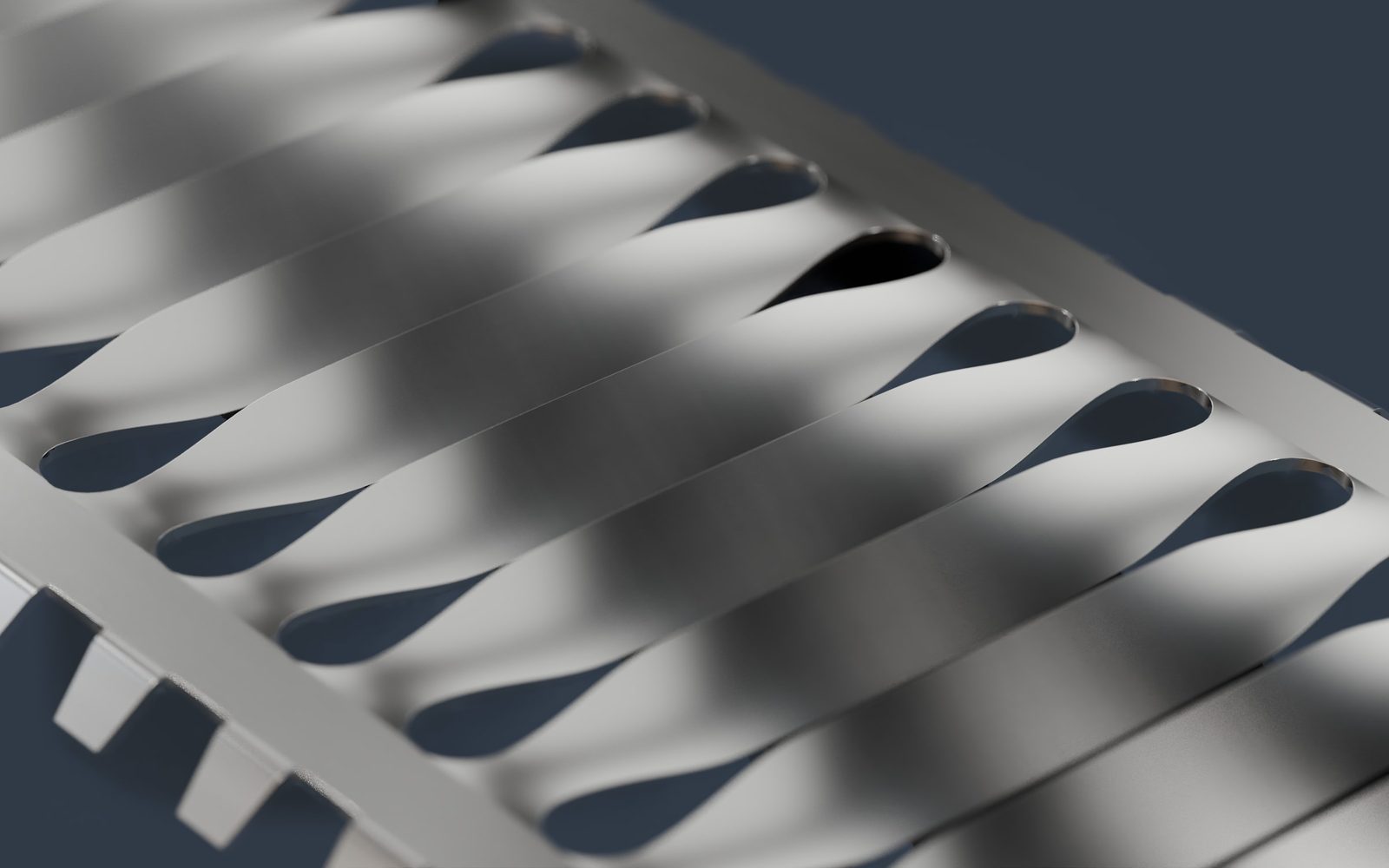
The torsion spring contact band, also called torsion spring lamella or torsion spring louvered band, carries high currents through twisted louvers (contact webs) of relaxation-resistant beryllium copper. Made in Wehr (Baden), Germany, in band widths of 17.5 mm and 13 mm, for mating diameters from 8 mm.
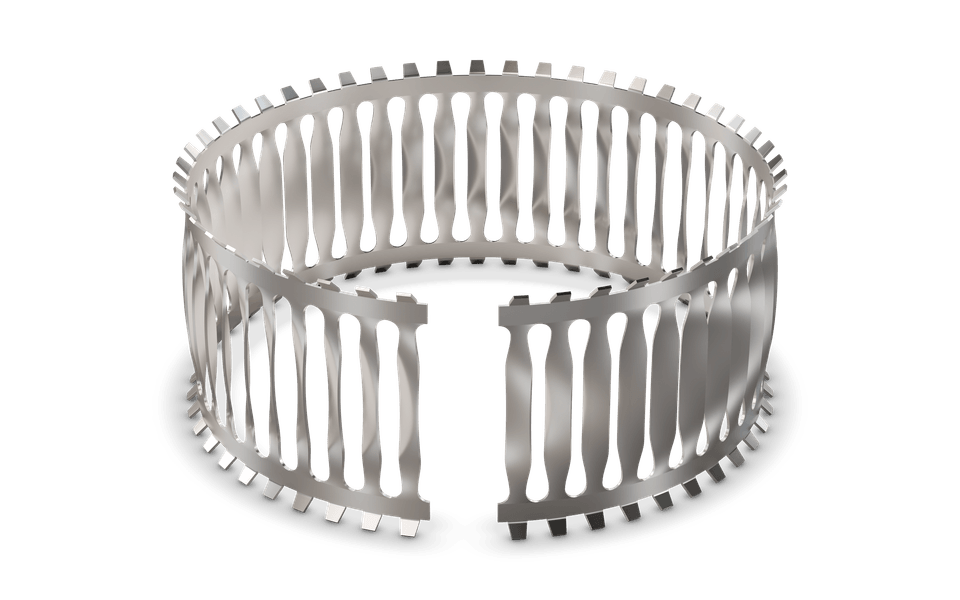
Drag to rotate, scroll or pinch to zoom. Keyboard: arrow keys rotate, plus and minus zoom, 0 resets the view.
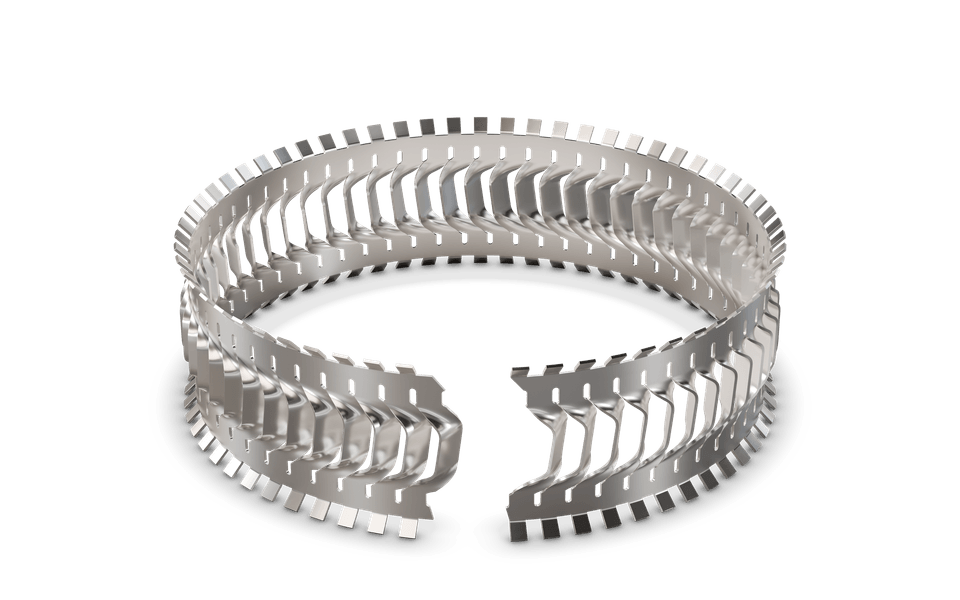
Drag to rotate, scroll or pinch to zoom. Keyboard: arrow keys rotate, plus and minus zoom, 0 resets the view.
01 Principle
In the torsion spring contact band the contact force comes from torsion of the louvers, not from bending. Each louver twists about its own long axis when pin and socket are mated. Compared with the louvers of the leaf spring contact band, which are loaded in bending, the spring characteristic is flatter, so the usable working range is larger. The leaf spring contact band covers the small mating diameters from 1.5 mm. Our guide contact types compared sets out all designs side by side.
The main advantage is the current path: the current flows by the shortest route directly from the pin through the louver into the socket. Combined with the principle of many parallel contact points, this gives a high current rating with low contact resistance.
Design engineers therefore typically fit the torsion spring contact band in larger power connectors from 8 mm mating diameter. On insertion the louvers wipe across the contact surface and clean it, so the connection makes reliable contact even in harsh environments and under vibration.
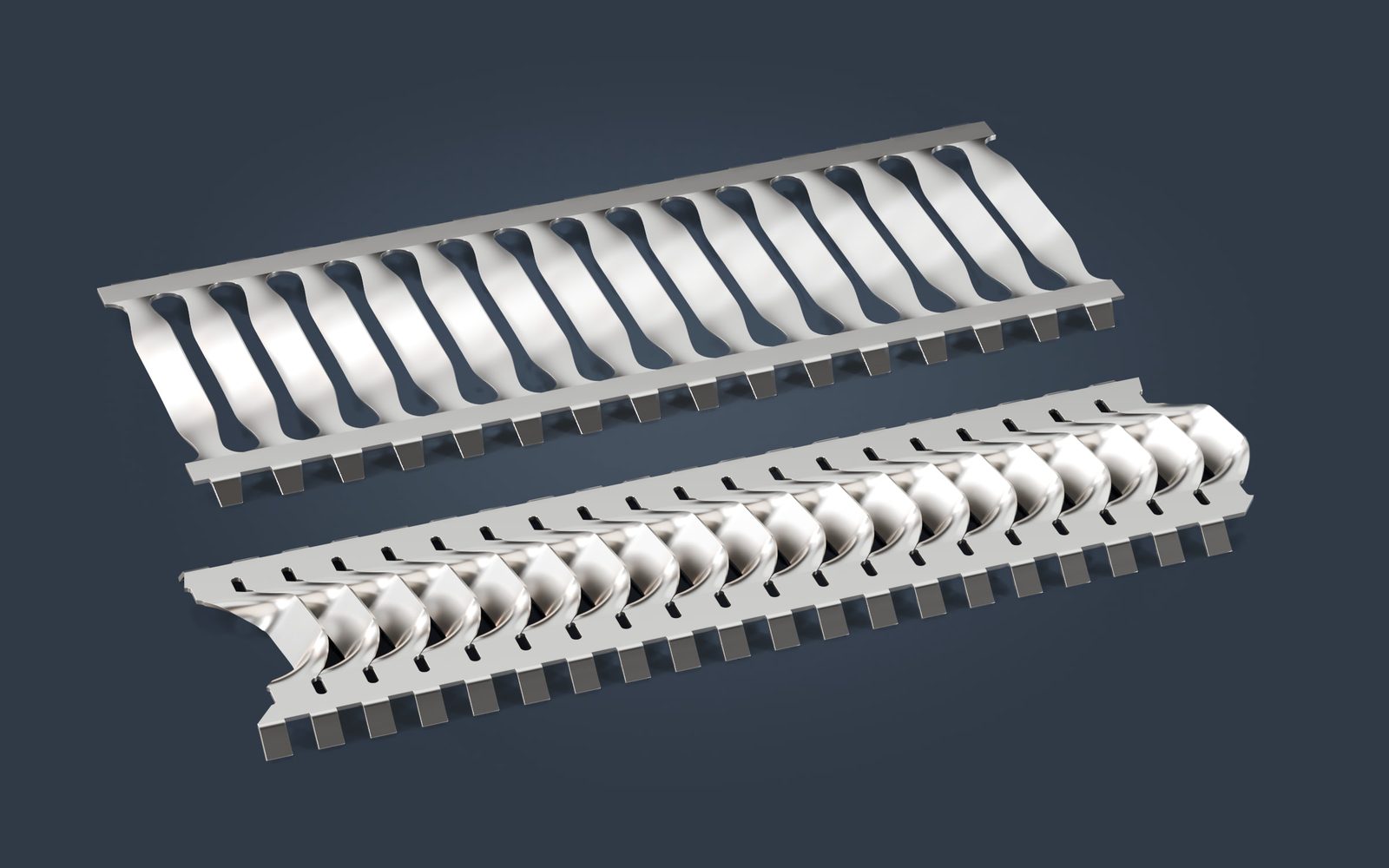
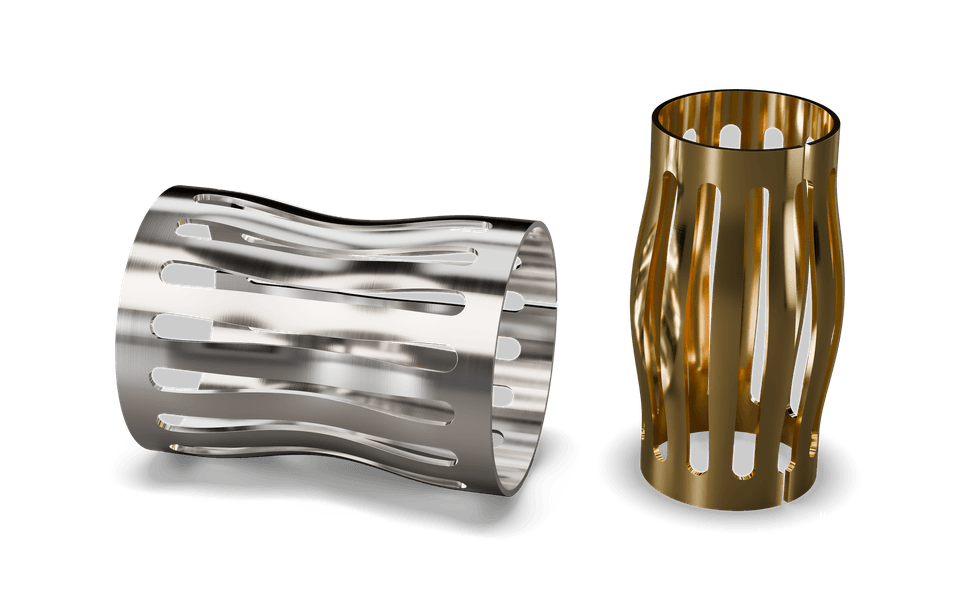
Torsion spring contact band 13 mm (front) and 17.5 mm (back)
02 Advantages

Direct current path from pin to socket and many parallel louvers. With greater material thickness the resistance per louver falls from 0.55 to 0.30 mΩ. At the same current, the connection heats up markedly less.
Torsion of the louvers gives a flatter spring characteristic than leaf spring louvers. Contact force per louver rises with material thickness and deflection.
Suitable for vibration and adverse conditions. Self-cleaning on mating, operating range −40 °C to +180 °C, high short-circuit withstand capability.
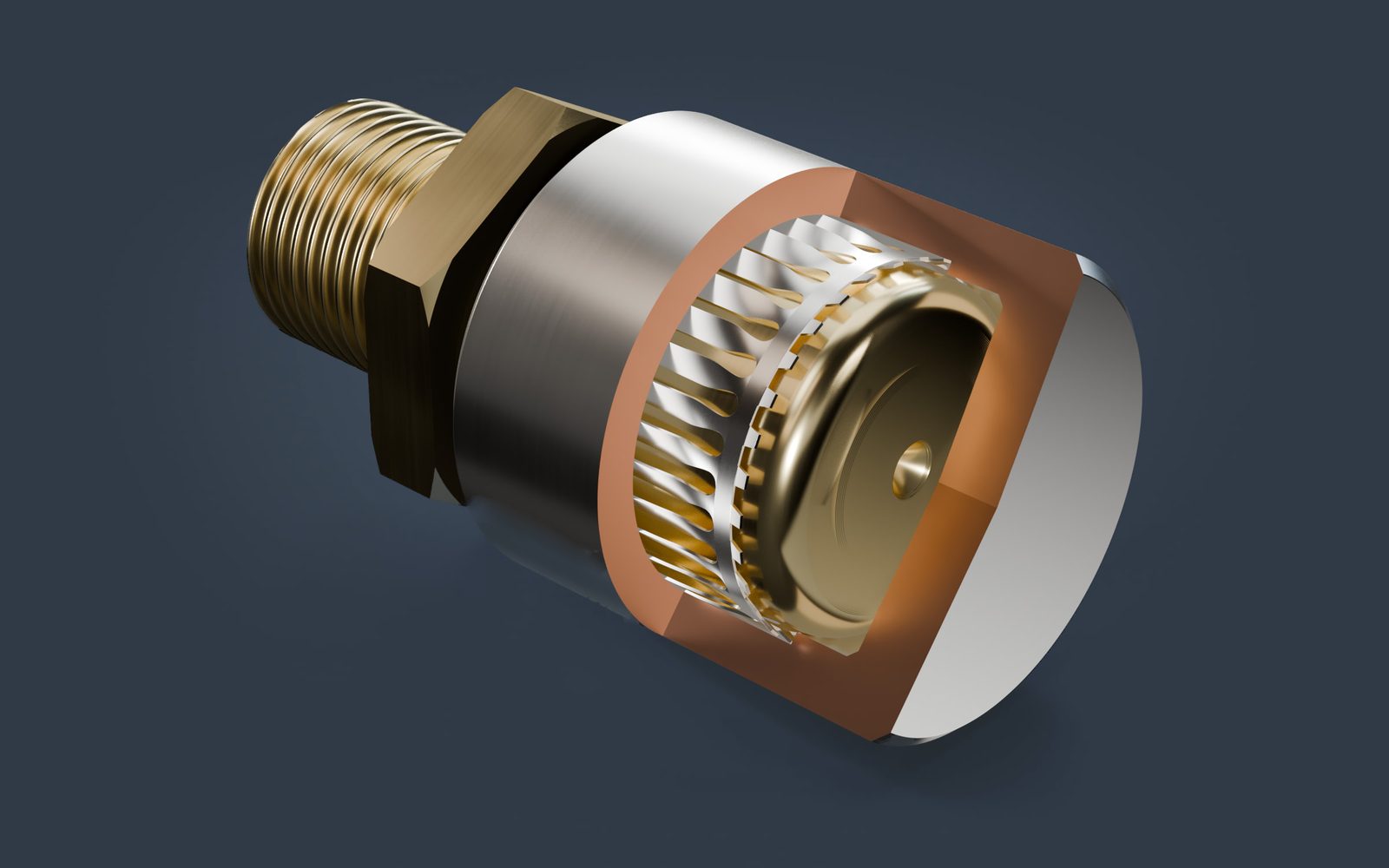
The band is laid into a turned groove and held there by its own preload. The toothed legs locate it laterally.
03 Construction
The torsion spring contact band is stamped and formed from beryllium copper (CuBe). It is then age-hardened and silver-plated to obtain the required mechanical and electrical properties. We age-harden in-house, and qualified partners apply the silver plating. The silver surface is passivated. For special cases the band is also available bare. More in our guide to materials and finishes.
We make the band in two widths: 17.5 mm with a 2.5 mm pitch and 13 mm with a 2.0 mm pitch. Two continuous side rails carry the transverse louvers, on the 17.5 mm band one louver per 2.5 mm. The outer edges of the rails are toothed to form legs. The legs are angled by the leg angle A of 0°, 15° or 45° and key the band into the groove of the socket or pin. On the 13 mm band the louvers run on an angled path from rail to rail, one louver per 2.0 mm, and the legs stand at 45°.
04 Technical data
Torsion spring contact band 13 mm, rolled into an open ring, 2.0 mm pitch
| Property | 13 mm | 17.5 mm |
|---|---|---|
| Mating diameter D | from 8 mm | |
| Installation | socket version (pin version on request) | socket or pin version, socket recommended from 20 mm mating diameter |
| Material | Beryllium copper (CuBe), relaxation-resistant | |
| Finish | silver-plated or bare | silver-plated and passivated, bare as an option |
| Silver thickness | on request | |
| Band width | 12.9 mm flat | 17.5 ± 0.3 mm over the legs (A = 0°/15°), 16.9 ± 0.3 mm (A = 45°) |
| Louver pitch | 2.0 mm | 2.5 mm |
| Unloaded height | 1.8 mm | on request |
| Material thickness S | 0.2 mm | 0.15 / 0.2 / 0.25 mm |
| Leg angle A | 45° | 0° / 15° / 45° |
| Contact resistance per louver | on request | 0.55 mΩ (S = 0.15 mm) / 0.40 mΩ (S = 0.2 mm) / 0.30 mΩ (S = 0.25 mm) |
| Current rating per louver (guide value) | 25 A, silver-plated, bare × 0.8 | 20 A (S = 0.15 mm) / 28 A (S = 0.2 mm) / 31 A (S = 0.25 mm), silver-plated, bare × 0.8 |
| Mating contact in silver-plated brass | on request | resistance +40 %, current values × 0.6 |
| Friction coefficient for insertion force | on request | approx. 0.3 |
| Temperature range | on request | −40 °C to +180 °C |
| Short-circuit withstand capability | on request | high, figure on request |
| Mating cycles | on request | |
| Delivery form | pre-rounded ready to install, or flat strip section cut to length | |
| General tolerance of the drawings | on request | ISO 2768-m |
Values from the 17.5 mm datasheet and the installation drawings of both widths, current rating guide values from the lamella configurator. Resistances apply to mating contacts in silver-plated copper under ideal conditions. The current rating depends on the installation, so higher or lower values are possible. Verify the value by measurement in the application.
Last updated:
05 Installation
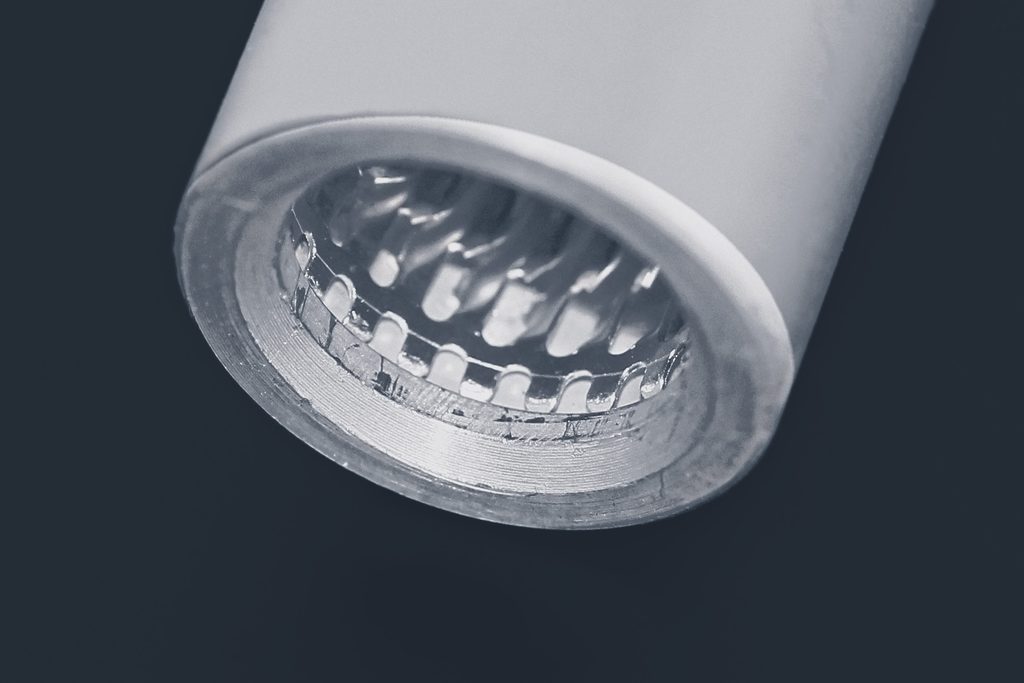
The torsion spring contact band is usually built as a socket version. This simplifies assembly, and inside the socket the lamella is protected from external mechanical damage. The pre-rounded band is laid into the turned groove and held there by its own preload.
From 20 mm mating diameter, we recommend the socket version. On a pin of that size the band would no longer hold securely without special fixing. On the pin version the louvers may overlap at the joint.
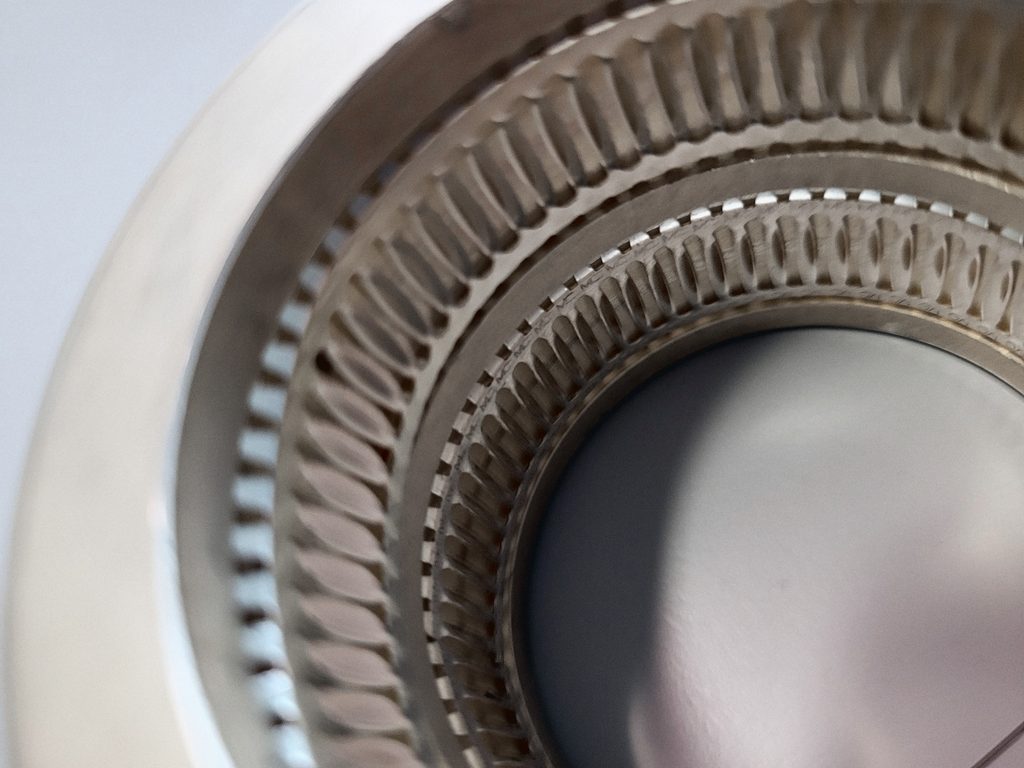
For very high power, several bands can be arranged in parallel, for example as a circular contact on a flange. Large dimensions and flat contact arrangements need special fixing, which we define with you for your design.
06 Installation dimensions
| Property | 13 mm | 17.5 mm |
|---|---|---|
| Socket version: bore | D +0.05 mm | |
| Socket version: groove diameter in the socket | D + 2.0 mm | D + 1.6 mm |
| Socket version: pin diameter | D −0.03 mm | |
| Pin version: socket bore | on request | D +0.05 mm |
| Pin version: groove diameter on the pin | on request | D − 1.6 mm |
| Pin version: pin diameter | on request | D −0.03 mm |
| Groove width | 13.2 mm | 17.9 mm (A = 0°/15°), 17.3 mm (A = 45°) |
Dimensions from the installation drawings: socket and pin version 17.5 mm, socket version 13 mm. D is the mating diameter. By calculation, the groove gives a radial installation height of about 1.0 mm for the 13 mm band and 0.8 mm for the 17.5 mm band. The drawing shows the grooves of the 17.5 mm band.
Last updated:
07 Applications
High-current connectors in electric vehicles.
Power contacts in charging connectors and charging stations.
Pluggable connections for high currents.
Power contacts on drives and robots.
Very high power through parallel bands, for example on a flange.
High-current contacts in electroplating plants.
Circular power connectors from 8 mm mating diameter.
08 Configurator
The lamella configurator calculates a guide value for the current rating of the torsion spring contact band. Choose band width, pin or socket version, mating diameter or band length, material thickness, leg angle and finish.
09 Downloads
FAQ
The number of louvers N is the band length divided by the 2.5 mm pitch, or 2.0 mm for the 13 mm band. The configurator calculates the band length for your mating diameter and a guide value for the current rating. The guide value per louver is 20, 28 or 31 A on the 17.5 mm band, depending on material thickness, and 25 A on the 13 mm band.
As material thickness increases, the contact resistance per louver falls from 0.55 mΩ at 0.15 mm to 0.30 mΩ at 0.25 mm, and the contact force per louver rises. Thicker bands heat up less at the same current but need a higher insertion force. The configurator shows the guide value for your dimensions.
The toothed legs on the side rails locate the band in the groove. The angle A of 0°, 15° or 45° sets the width over the legs and therefore the groove width: 17.9 mm at 0° and 15°, 17.3 mm at 45°.
According to the datasheet, the insertion force can be estimated with a friction coefficient of about 0.3. Multiply the contact normal force of all louvers in contact by this coefficient. We can send you the force-deflection curves for each material thickness on request.
In many cases, yes. The torsion spring contact band is installation-compatible with the contact lamellae of common manufacturers as long as groove diameter and groove width match. Check the groove against the installation dimensions on this page, or send us the drawing of your existing groove.
Yes. ACA Atlas Contacte makes the torsion spring contact band 17.5 mm and 13 mm wide. The 13 mm band has a 2.0 mm pitch, a material thickness of 0.2 mm and a leg angle of 45°. It is designed for socket mounting, and we make a pin version on request. Choose the 13 mm band width directly in the configurator.
Louvered contact bands with many parallel contact points
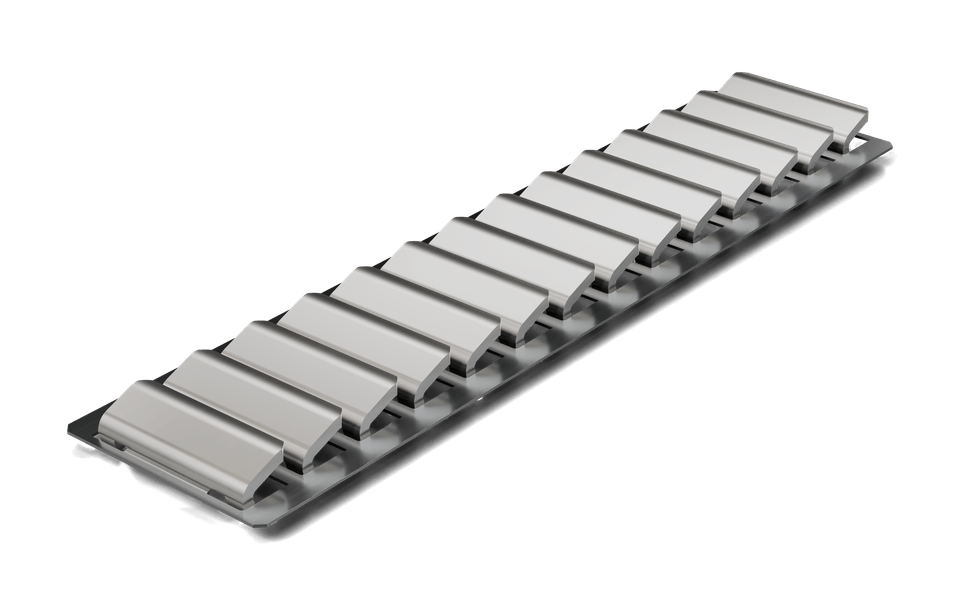
Stainless spring steel carrier with riveted contact pieces of silver-plated copper
Compact beryllium copper contact lamella from 1.5 mm mating diameter
Which contact type suits your current, mating cycles and space
Copper alloys, spring steels and contact platings compared
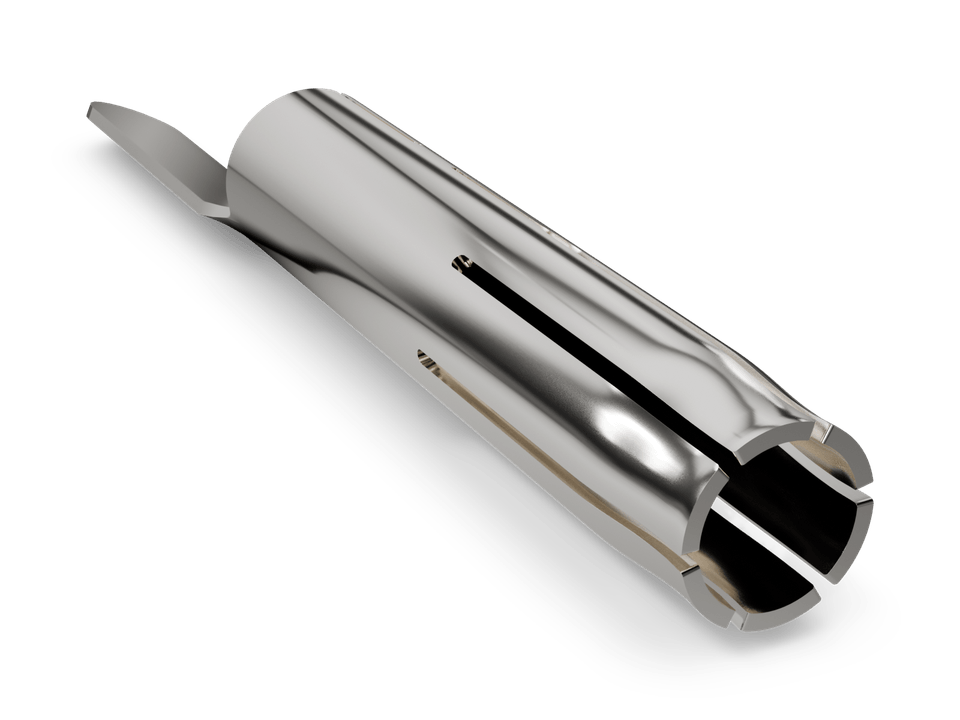
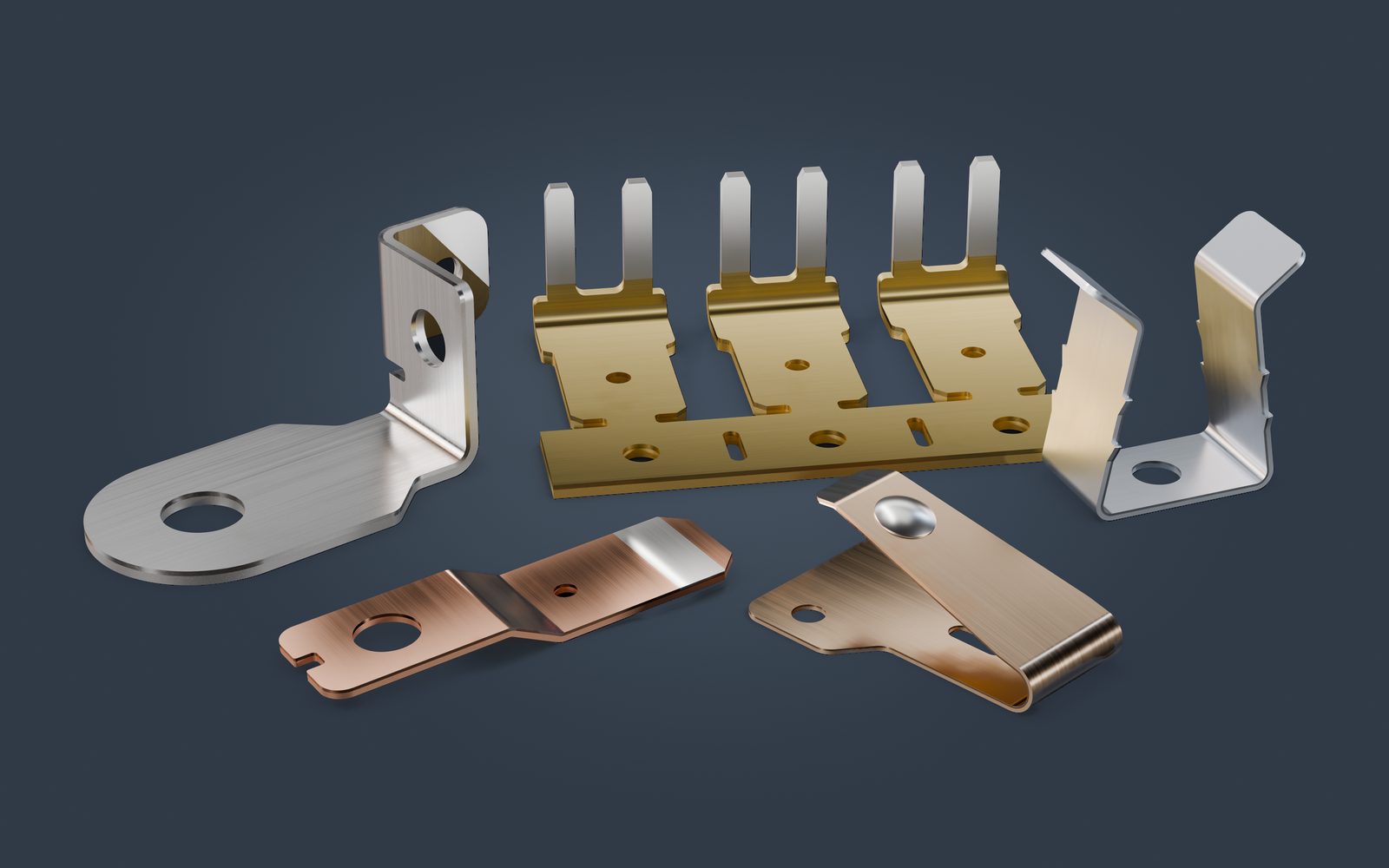
Stamped flat, then rolled into a pin or a sleeve
Request a quote
Configure standard versions directly in the configurator above. For special sizes, flange contacts or an existing groove, send us your drawing with mating diameter, version, current and quantity. CAD data and samples are available on request.